The Thrilling World of iGaming: Revolutionizing Digital Entertainment
The digital age has transformed the way we experience entertainment, and iGaming stands at the forefront of this revolution. Short for interactive gaming, iGaming encompasses online gambling, casino games, sports betting, poker, and other digital gaming experiences that allow players to engage in real-time betting and skill-based games. What makes iGaming so compelling is its ability to merge technology, strategy, and excitement into an immersive experience accessible from anywhere in the world. In this blog post, we will explore the origins of iGaming, its rise to popularity, the technology behind it, its impact on society, and future trends shaping the industry.
The Evolution of iGaming
The concept of gambling is centuries old, tracing back to ancient civilizations like the Romans and Chinese, who engaged in dice games and lotteries. Traditional gambling was limited by geography and accessibility. With the advent of the internet in the 1990s, the landscape of gaming underwent a dramatic transformation. Online casinos emerged, offering virtual slot machines, roulette, and poker, effectively bringing the thrill of a casino to users’ personal computers.
Early iGaming platforms faced skepticism regarding security and fairness, but technological advancements in encryption and regulatory frameworks gradually built trust. Today, iGaming is a multi-billion-dollar industry, with millions of users worldwide participating in daily betting activities. The convenience of playing from home, coupled with innovative gameplay and incentives, has fueled its explosive growth.
Understanding the iGaming Industry
iGaming is a vast ecosystem comprising various segments. Understanding these segments helps to appreciate the diversity of experiences it offers:
1. Online Casinos
Online casinos are digital platforms where players can engage in traditional casino games like blackjack, baccarat, roulette, and slot machines. Unlike physical casinos, online casinos offer convenience, a wide variety of games, and interactive features such as live dealer games. Live dealers use real-time streaming technology to replicate the in-person casino experience, providing authenticity and trust for players.
2. Sports Betting
Sports betting allows users to wager on outcomes of sporting events, from football and basketball to tennis and horse racing. Online sportsbooks have revolutionized this segment by offering live betting, where users can place bets during a game, and extensive analytics to guide strategic decision-making.
3. Poker Platforms
Poker has long been a staple of both online and offline gaming. Digital poker rooms enable players to compete against others from around the globe, with tournaments and cash games that vary in complexity and stakes. Poker platforms often incorporate skill-based gameplay and strategy, making it one of the most engaging forms of iGaming.
4. eSports Betting
eSports, or competitive video gaming, has seen meteoric growth, with tournaments offering massive prize pools. iGaming platforms now allow betting on eSports matches, combining the excitement of gaming with the thrill of wagering. This emerging sector attracts younger audiences who are digitally savvy and highly engaged with online communities.
The Technology Behind iGaming
The rapid growth of iGaming would not have been possible without technological innovation. Key technologies shaping the industry include:
1. Mobile Gaming
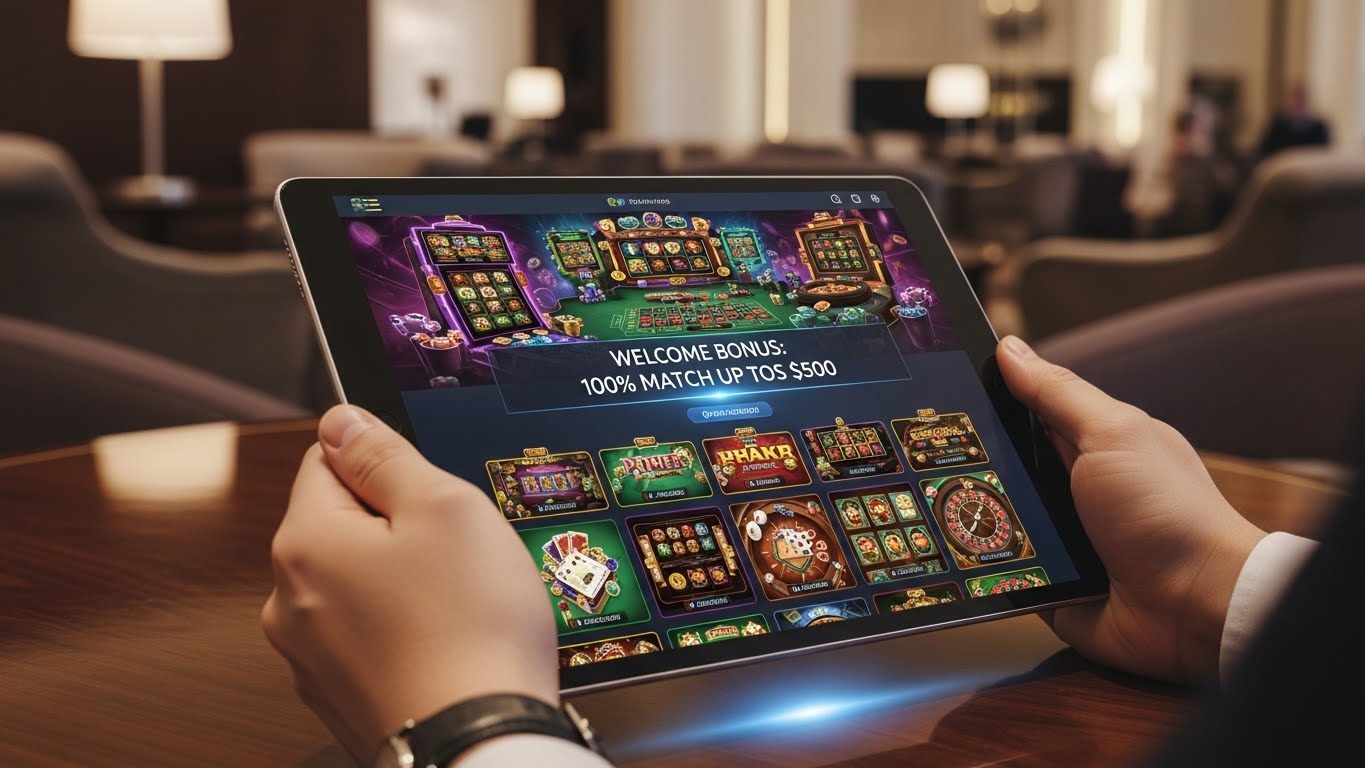
Smartphones and tablets have transformed iGaming, allowing players to access platforms anytime, anywhere. Mobile apps provide intuitive interfaces, instant notifications, and real-time updates, creating a seamless gaming experience.
2. Blockchain and Cryptocurrencies
Blockchain technology ensures transparency and security in online transactions. Cryptocurrencies such as Bitcoin and Ethereum have become increasingly popular in iGaming, offering fast, secure, and anonymous payments. Smart contracts can also automate payout systems, reducing the risk of fraud and ensuring fair gameplay.
3. Artificial Intelligence (AI) and Data Analytics
AI is revolutionizing user experiences in iGaming. Personalized recommendations, predictive analytics for sports betting, and fraud detection are powered by AI algorithms. Additionally, AI-driven chatbots and virtual assistants enhance customer service, providing instant support and guidance to players.
4. Virtual Reality (VR) and Augmented Reality (AR)
VR and AR technologies are creating immersive gaming experiences that closely mimic physical casinos. Players can explore virtual casino floors, interact with other users, and experience realistic table games. AR overlays in mobile apps enhance engagement, combining the digital and real worlds seamlessly.
Responsible Gaming and Regulatory Frameworks
While iGaming offers entertainment and potential financial rewards, it also carries risks such as gambling addiction and financial loss. Responsible gaming initiatives have become a cornerstone of the industry. Reputable platforms implement tools like deposit limits, self-exclusion options, and reality checks to help players manage their gaming behavior.
Regulatory frameworks vary across countries, but they generally aim to protect players, ensure fair gameplay, and prevent underage gambling. Licensing authorities monitor compliance with legal and ethical standards, contributing to a safer gaming environment. Players are encouraged to engage only with licensed platforms that adhere to strict regulatory standards.
The Social and Economic Impact of iGaming
iGaming has significant social and economic implications. Economically, the industry generates billions in revenue and creates employment opportunities in software development, customer support, marketing, and compliance. Tax contributions from licensed operators support public services and infrastructure in many regions.
Socially, iGaming fosters global communities where players share strategies, compete in tournaments, and participate in online forums. However, it also necessitates awareness campaigns to mitigate addiction risks and promote healthy gaming habits. The balance between entertainment and social responsibility is critical for sustaining the industry’s growth.
Emerging Trends in iGaming
The iGaming landscape continues to evolve, driven by technological innovation and changing player preferences. Key trends shaping the future include:
1. Gamification and Interactive Experiences
Platforms increasingly incorporate game-like elements such as achievements, leaderboards, and challenges to enhance engagement. Gamification makes traditional betting more entertaining, encouraging prolonged interaction without compromising responsible gaming principles.
2. Social iGaming
Social gaming integrates multiplayer experiences with community-driven interactions. Players can compete with friends, form teams, and share achievements, blending social media dynamics with traditional gaming. This trend appeals to younger audiences who value connectivity and collaboration.
3. AI-Driven Personalization
Personalized gaming experiences powered by AI algorithms are becoming standard. Platforms can suggest games based on user preferences, optimize betting strategies, and provide dynamic bonuses tailored to individual players, improving retention and satisfaction.
4. Expansion of Mobile eSports Betting
The combination of mobile accessibility and eSports growth presents new opportunities for iGaming operators. Real-time match data, live betting, and interactive features make mobile eSports betting an engaging sector with immense growth potential.
5. Enhanced Security and Data Privacy
As digital transactions increase, players demand robust security measures. Advanced encryption, two-factor authentication, and GDPR-compliant data practices ensure user trust and protect sensitive information.
The Future of iGaming
Looking ahead, the iGaming industry is poised for continued expansion. Technological advancements such as cloud gaming, AI-driven analytics, and immersive VR/AR experiences will redefine user engagement. Increasing legalization and regulation in various regions will provide a safer, more transparent environment, attracting new players and investors.
Moreover, the integration of iGaming with other digital entertainment forms, such as streaming platforms and social media, will blur the lines between gaming, entertainment, and social interaction. The industry will continue to innovate, offering experiences that are not only entertaining but also responsible, secure, and socially engaging.
Conclusion
iGaming has transformed the way people experience gambling and entertainment in the digital era. By combining technology, strategy, and social interaction, it offers a diverse range of experiences accessible from the comfort of home or on the go. As the industry evolves, responsible gaming, regulatory compliance, and technological innovation will remain crucial pillars supporting sustainable growth. The future of iGaming promises even more immersive, personalized, and interactive experiences, ensuring its place as a dominant force in global digital entertainment.
For players and enthusiasts alike, understanding the industry’s landscape, trends, and technological underpinnings provides a deeper appreciation of this dynamic sector. Whether engaging in online casino games, sports betting, poker, or emerging eSports, iGaming continues to redefine how entertainment is consumed and enjoyed worldwide.