The Digital Revolution of iGaming: How Online Gaming is Redefining Entertainment
Introduction
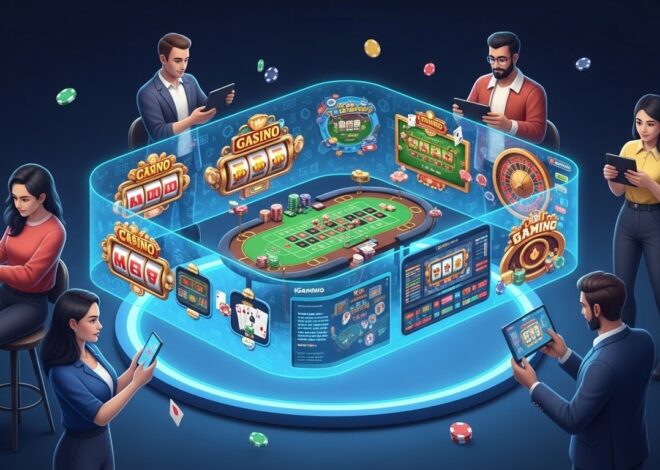
The iGaming industry has emerged as one of the fastest-growing segments in global entertainment. Short for internet gaming, iGaming encompasses online casinos, poker, sports betting, bingo, and other interactive digital gaming platforms. Over the past decade, it has transformed from a niche online pastime into a billion-dollar global industry, captivating millions of players worldwide. Driven by technology, innovation, and evolving user behavior, iGaming now blends entertainment, competition, and social interaction in ways traditional gaming never could. This blog explores the history, growth, trends, and future of iGaming, illustrating why it has become a central part of modern digital entertainment.
The Origins of iGaming
iGaming began in the mid-1990s, coinciding with the internet becoming widely accessible to the public. Early online casinos offered simple versions of classic games like blackjack, roulette, and slots. These platforms provided convenience and accessibility that traditional brick-and-mortar casinos could not, allowing players to engage in gaming from the comfort of their homes.
The first platforms were rudimentary, with basic graphics and limited interactivity, but they laid the foundation for the industry. Over time, improvements in technology, internet speed, and digital security fueled the growth of online gaming. Today’s iGaming platforms offer immersive experiences, advanced graphics, and a wide variety of game choices that cater to diverse audiences.
Online Casinos: The Heart of iGaming
Online casinos remain the cornerstone of the iGaming industry. Modern platforms offer thousands of games, ranging from digital slots and poker to table games like baccarat and blackjack. These platforms are designed to replicate the thrill of physical casinos while adding features only possible in digital formats, such as themed slots, cinematic animations, and bonus rounds.
Accessibility is a key factor in the success of online casinos. Players can log in from anywhere at any time, eliminating travel, dress codes, and other barriers associated with traditional casinos. Additionally, innovations such as live dealer games provide a hybrid experience, combining the convenience of online gaming with the authenticity of interacting with real dealers in real-time.
The Impact of Live Dealer Games
Live dealer games represent a major innovation in iGaming, offering players a more authentic and social experience. These games are streamed from studios or actual casino floors, featuring real dealers who interact with players through chat interfaces.
Games like live blackjack, roulette, and baccarat have gained immense popularity because they combine the convenience of online gaming with the human element of traditional casinos. Players can watch each action unfold in real-time, enhancing trust and engagement. The social aspect of live dealer games also appeals to those who enjoy interaction and community, bridging the gap between physical and virtual gaming experiences.
Sports Betting in the Digital Era
Sports betting has long been a popular form of entertainment, and iGaming has revolutionized how fans engage with it. Online sports betting platforms allow users to wager on a wide range of sports, including football, basketball, tennis, cricket, and even esports.
Live betting, or in-play wagering, adds an exciting new dimension. Players can place bets during a match, adjusting their strategies as the game unfolds. Real-time data, analytics, and statistics enhance the betting experience, making it more interactive and engaging. Sports betting within iGaming combines entertainment with strategy, appealing to fans who want to be part of the action and not just spectators.
Mobile Gaming: iGaming on the Go
The rise of smartphones and mobile technology has dramatically expanded the iGaming market. Mobile-optimized platforms allow users to access their favorite games, casinos, and betting opportunities anywhere and anytime.
Mobile iGaming apps provide seamless gameplay, user-friendly interfaces, and fast loading times. Players can spin slots during a commute, participate in live poker tournaments from home, or place quick sports bets on the go. Mobile gaming has made iGaming more inclusive, allowing a wider demographic of players to participate and interact with digital entertainment conveniently.
Technology Driving iGaming Innovation
Technology is the engine behind the rapid evolution of iGaming. Several technological advancements have transformed the user experience, making gaming more immersive, secure, and interactive.
1. Artificial Intelligence
AI algorithms personalize the gaming experience, offering tailored recommendations, dynamic gameplay adjustments, and fraud detection. AI also ensures fairness and enhances player engagement.
2. Virtual Reality and Augmented Reality
VR and AR technologies allow players to immerse themselves in digital casino environments. Virtual casinos replicate the ambiance, spatial movement, and interactive experience of a physical casino while adding creative possibilities beyond reality.
3. Blockchain and Cryptocurrencies
Blockchain technology introduces transparency and security in transactions, while cryptocurrencies provide fast, safe, and anonymous payment options. Provably fair systems enabled by blockchain enhance trust and credibility among players.
4. Advanced Graphics and Game Engines
Modern game engines create high-quality animations, realistic physics, and cinematic visual effects, elevating iGaming from simple digital play to a visually stunning entertainment experience.
Social Interaction in iGaming
Contrary to popular belief, iGaming offers a strong social dimension. Multiplayer games, chat features, and community tournaments allow players to interact with each other, form alliances, and compete socially.
Live dealer games and poker tournaments, in particular, provide opportunities for players to communicate, build strategies, and share excitement in real-time. Social interaction adds depth to digital entertainment, creating a community-driven gaming culture that mirrors real-life social experiences.
iGaming and Entertainment Culture
iGaming is now an integral part of modern entertainment culture. It blends thrill, strategy, competition, and social engagement in ways traditional entertainment cannot match. The appeal of iGaming lies in its flexibility; users can decide what, when, and how to play, customizing their experience according to personal preferences.
The rise of streaming, esports, and online communities has reinforced iGaming’s place in popular culture. Platforms integrate entertainment features such as tournaments, leaderboards, and interactive shows, blurring the lines between gaming and broader entertainment media.
Security, Regulation, and Responsible Gaming
As iGaming grows, security and responsible gaming have become top priorities. Modern platforms employ advanced encryption, secure payment gateways, and identity verification to protect users.
Responsible gaming features, such as self-exclusion tools, spending limits, and time management systems, ensure players can enjoy gaming safely and sustainably. Regulatory frameworks in various countries maintain fairness, protect consumers, and foster trust, reinforcing iGaming as a legitimate form of digital entertainment.
The Economic Significance of iGaming
iGaming has become a major economic driver worldwide. The industry supports employment in software development, marketing, customer service, and event management. Revenue streams from online casinos, sports betting, and gaming apps generate billions annually, contributing significantly to national and regional economies.
Investment in technology, content creation, and innovation ensures ongoing growth and profitability. The economic success of iGaming demonstrates its viability as both a business model and a global entertainment phenomenon.
Emerging Trends in iGaming
The iGaming industry continues to evolve with emerging trends that promise to redefine the player experience. Some key trends include:
- Integration of esports betting and competitive gaming features.
- Expansion of virtual reality casinos and immersive environments.
- Personalized gaming experiences powered by artificial intelligence.
- Mobile-first platforms targeting wider global audiences.
- Blockchain-based gaming with secure, transparent transactions.
These trends show that iGaming is poised to become even more interactive, accessible, and engaging in the coming years.
The Future of iGaming
The future of iGaming is filled with possibilities. As technology advances, platforms will offer even more immersive, interactive, and socially engaging experiences. AI-driven personalization, VR-enhanced gameplay, and mobile accessibility will continue to redefine how players interact with digital entertainment.
iGaming will also integrate further with broader entertainment ecosystems, including streaming, esports, and social media platforms. The industry is set to grow not only in economic terms but also in cultural significance, becoming a central pillar of global digital entertainment.
Conclusion
iGaming has evolved from simple online casino games into a global entertainment powerhouse. With the integration of cutting-edge technology, live interaction, mobile accessibility, and social engagement, it offers unique experiences that blend thrill, strategy, and community.
As the industry continues to innovate and expand, iGaming will remain at the forefront of digital entertainment, redefining how people play, interact, and enjoy online gaming experiences. It is no longer just a pastime—it is a digital phenomenon that shapes culture, technology, and entertainment on a global scale.