The Digital Revolution of Fun: How iGaming is Shaping Entertainment and Culture
Introduction: The Rise of iGaming
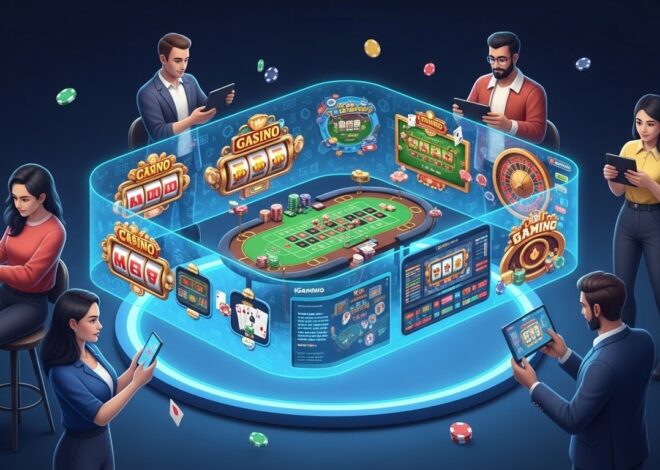
In the digital age, entertainment has evolved beyond traditional boundaries, and iGaming has emerged as one of the fastest-growing sectors in the world. iGaming refers to online gaming activities, which primarily include online casinos, poker, sports betting, and other interactive digital games that involve real or virtual stakes. Unlike conventional gaming, iGaming allows players to enjoy experiences anytime, anywhere, offering convenience, variety, and excitement. With technological innovation and increasing internet accessibility, iGaming has become a global phenomenon, impacting not only entertainment but also social interaction, technology, and economy.
Understanding iGaming: More Than Just Gambling
Many people confuse iGaming solely with online gambling, but it is broader than that. iGaming encompasses a wide range of interactive gaming experiences, including skill-based games, virtual sports, and live casino games. While gambling forms a significant part of iGaming, the sector also focuses on creating immersive entertainment experiences. Players can engage in strategic games, live competitions, and interactive challenges that require skill, knowledge, and critical thinking. This diversity makes iGaming appealing to both casual players and professional gamers.
The Technological Backbone of iGaming
iGaming would not exist without advanced technology. High-speed internet, mobile applications, virtual reality, and artificial intelligence have transformed online gaming into a seamless and immersive experience. Live dealer games simulate real-world casino experiences, while AI-powered algorithms personalize game suggestions and enhance security. Blockchain technology is also becoming important, ensuring transparency, fairness, and secure transactions. Technology in iGaming is not just a tool; it is the foundation that ensures convenience, safety, and engaging gameplay.
Convenience and Accessibility: Gaming Anytime, Anywhere
One of the key reasons for iGaming’s popularity is its convenience. Players no longer need to travel to physical casinos or gaming centers; they can access platforms through smartphones, tablets, or computers. This accessibility has expanded the audience dramatically, allowing people from various regions and demographics to participate. Time constraints or location no longer limit gaming activities. With mobile apps, live streaming, and instant payouts, iGaming has made entertainment more flexible and personalized than ever.
iGaming and the Psychology of Play
iGaming taps into fundamental aspects of human psychology, making it highly engaging. Elements such as rewards, challenges, achievements, and social interactions create a sense of excitement and accomplishment. Many games incorporate progressive jackpots, loyalty programs, and reward systems, which encourage continued engagement. The anticipation of winning or unlocking new levels stimulates dopamine release, providing players with emotional satisfaction. While this makes iGaming compelling, it also requires responsible gaming to avoid potential negative effects.
Live Casinos: Bridging the Gap Between Virtual and Real
Live casino games are a standout feature in iGaming. Using high-definition streaming technology, players can interact with real dealers in real time while participating from the comfort of their homes. This creates an immersive environment that replicates the atmosphere of a physical casino. Players can enjoy poker, blackjack, roulette, and other classic games with real-time engagement. Live casinos have transformed online gaming by blending realism, excitement, and convenience, attracting a growing number of players worldwide.
Sports Betting in the Digital Era
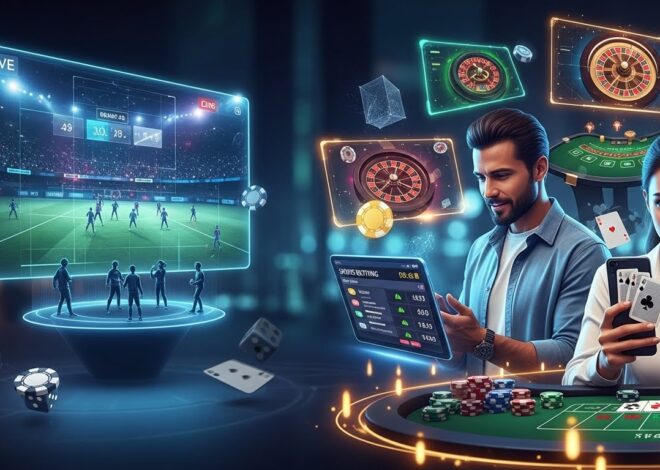
Sports betting is another significant aspect of iGaming. Online platforms allow players to place bets on a variety of sports, from football and basketball to tennis and esports. Real-time odds, in-play betting, and detailed statistics provide players with a more interactive and strategic experience. Digital sports betting platforms also offer analytics tools and tutorials, making the experience accessible to beginners. This combination of strategy, skill, and thrill has made online sports betting a major driver of iGaming growth.
Gamification and Player Engagement
Gamification is a key strategy in iGaming, enhancing engagement by applying game-like elements to platforms. Leaderboards, achievements, challenges, and rewards encourage players to return and explore more content. Gamification also promotes skill development, as players are motivated to improve their performance and earn higher rewards. By combining entertainment with competitive elements, iGaming platforms create a dynamic and addictive user experience that keeps players invested.
Security and Fairness in iGaming
Security and fairness are critical for sustaining trust in iGaming. Advanced encryption, secure payment systems, and authentication protocols ensure safe transactions and protect player data. Fair play is maintained through random number generators and independent audits, which verify game outcomes. Platforms prioritize responsible gaming features such as self-exclusion tools and deposit limits to help players maintain control. By combining technology with regulation, iGaming ensures both excitement and safety, providing a reliable environment for millions of players.
Economic Impact of iGaming
The iGaming industry contributes significantly to global economies. It generates revenue through platform subscriptions, in-game purchases, and transactions. The sector also creates jobs in technology, design, customer support, marketing, and compliance. Additionally, governments benefit from taxation and licensing fees. The economic influence of iGaming is expanding as more countries recognize the sector’s potential. Beyond revenue, iGaming encourages innovation and entrepreneurship, making it an important component of the modern digital economy.
iGaming and Esports Integration
Esports and iGaming are increasingly intertwined. Betting on esports tournaments and interactive gaming competitions is becoming popular, merging the thrill of competitive gaming with iGaming platforms. Players can engage in fantasy leagues, prediction markets, and live betting, further expanding the digital entertainment experience. This integration appeals to younger audiences and taps into the growing popularity of esports, creating a unique convergence of entertainment, skill, and interactivity.
Responsible iGaming: Balancing Fun and Caution
While iGaming offers excitement and opportunity, responsible gaming is essential. Platforms provide tools to monitor playtime, manage budgets, and limit exposure to risk. Awareness campaigns, educational resources, and community support programs help players enjoy gaming safely. Responsible iGaming ensures that players can experience thrill without falling into harmful habits. It also reflects the industry’s commitment to ethical practices and player well-being.
The Social Aspect of iGaming
Contrary to the stereotype of solitary gaming, iGaming fosters social interaction. Multiplayer games, live dealer platforms, and social betting communities allow players to communicate, collaborate, and compete. Online forums, chat features, and social challenges create shared experiences, enhancing engagement and enjoyment. This social dimension transforms gaming into a community-oriented activity, bridging geographical boundaries and connecting people with similar interests.
The Future of iGaming
The future of iGaming promises innovation and transformation. Virtual reality, augmented reality, and immersive 3D platforms will offer more realistic and engaging experiences. Artificial intelligence will personalize gameplay and provide dynamic challenges based on player behavior. Blockchain and cryptocurrency integration will enhance security and transparency. As technology continues to advance, iGaming will expand its reach, offering increasingly interactive and rewarding experiences to players worldwide.
Cultural Impact of iGaming
iGaming is no longer just an industry; it is a cultural phenomenon. It influences media, fashion, social behavior, and lifestyle. Live streaming events, tournaments, and influencer content have created global communities centered around gaming. iGaming has become part of popular culture, shaping how people socialize, compete, and entertain themselves in the digital age. Its influence extends beyond entertainment, affecting social norms, technology adoption, and even economic behavior.
Conclusion: iGaming as the Future of Digital Entertainment
iGaming represents a significant shift in how people engage with games and entertainment. It combines technology, strategy, social interaction, and excitement to create immersive experiences that are accessible, engaging, and rewarding. From live casinos and sports betting to gamified platforms and esports integration, iGaming offers something for every type of player. Its growth reflects the intersection of culture, technology, and human desire for entertainment. As iGaming continues to evolve, it will redefine how we play, connect, and experience the digital world.