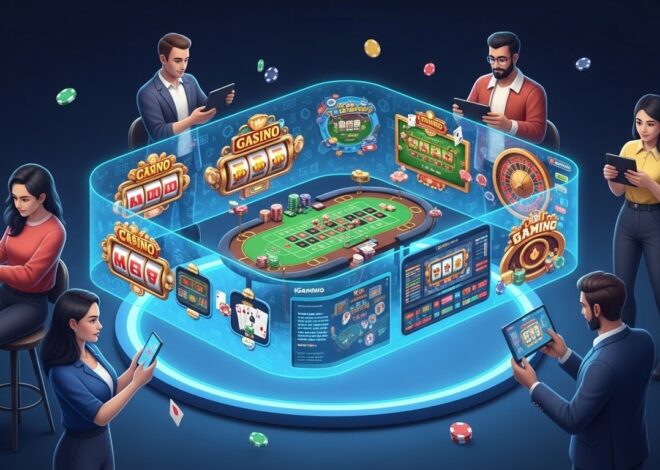
The Digital Revolution of Entertainment: How iGaming Is Transforming Leisure
Introduction: The Emergence of iGaming
Over the past decade, the entertainment industry has experienced a remarkable transformation. One of the most significant drivers of this change is the rise of iGaming, a digital form of gaming that combines technology, strategy, and entertainment. iGaming refers to any form of online gambling, betting, or gaming played over the internet, including casino games, poker, sports betting, and esports wagering. Unlike traditional gaming, iGaming allows players to access immersive experiences from their devices, making entertainment more convenient and globally accessible. Its rapid growth reflects both technological advancements and evolving consumer behavior, reshaping the way people engage with games of chance and skill.
Understanding the Concept of iGaming
At its core, iGaming encompasses any gaming activity that involves real money transactions conducted online. The sector includes online casinos, poker rooms, bingo platforms, sports betting, and emerging sectors like esports wagering. What sets iGaming apart from traditional gaming is the seamless integration of technology to deliver interactive, real-time experiences. Players can engage in a wide variety of games, from simple slot machines to complex strategic tournaments, all while enjoying features such as live dealer interaction and multiplayer competition. The industry has grown by combining entertainment with convenience, accessibility, and innovation.
Technological Innovations Driving iGaming
The evolution of iGaming has been propelled by significant technological advancements. High-speed internet, mobile optimization, secure payment systems, and cloud computing enable platforms to operate smoothly and securely. Mobile devices, in particular, have played a pivotal role, allowing players to access games anytime and anywhere. Additionally, artificial intelligence and machine learning are being used to personalize gaming experiences, analyze user behavior, and enhance customer support. Emerging technologies like virtual reality and augmented reality are also starting to redefine immersion, offering experiences that closely replicate physical casinos and competitive arenas. These innovations are expanding the boundaries of online entertainment.
The Variety of Games in iGaming
One of the key factors contributing to the popularity of iGaming is the diverse range of games it offers. Online slot machines remain one of the most played games due to their engaging themes, straightforward mechanics, and high entertainment value. Table games such as blackjack, roulette, and baccarat have been adapted for digital play and often feature live dealers to recreate a casino atmosphere. Online poker has developed into a thriving competitive community, offering everything from casual play to high-stakes tournaments that require skill and strategy. Sports betting and esports wagering further expand the industry by allowing players to engage with real-world events or competitive gaming matches. This variety ensures that there is something for every type of player.
Live Dealer Gaming: Bridging the Gap
Live dealer games have transformed the online gaming landscape by combining the authenticity of traditional casinos with the convenience of digital platforms. In live dealer formats, real-life dealers are streamed to players in real time, allowing them to place bets, interact with the dealer, and even communicate with other players. This hybrid approach maintains the social and immersive aspects of physical casinos while leveraging the accessibility of online platforms. The live dealer trend has become especially popular among players seeking a more authentic experience without leaving their homes, and it continues to grow in sophistication as technology improves.
Enhancing User Experience
In the competitive world of iGaming, user experience plays a critical role in retaining players. Platforms must offer intuitive navigation, visually appealing design, fast loading times, and smooth gameplay to keep players engaged. Personalization is also becoming increasingly important. AI-driven algorithms can analyze player preferences, suggest games, and tailor bonuses to individual users, creating a more enjoyable and customized experience. A strong user interface not only attracts new players but also fosters loyalty, encouraging them to spend more time on a platform and return regularly.
Security, Fairness, and Responsible Gaming
As iGaming grows, ensuring player safety and fairness has become a top priority. Platforms use advanced encryption technologies to protect financial transactions and personal data. Random number generators ensure that game outcomes are unbiased and fair, providing transparency and trust for players. Additionally, regulatory frameworks in various regions establish strict guidelines for operations, advertising, and responsible gaming practices. Many platforms now include features such as deposit limits, self-exclusion options, and reality checks to help players maintain control over their gaming habits. Promoting responsible gaming not only protects players but also strengthens the credibility and sustainability of the industry.
Economic Contributions of iGaming
Beyond entertainment, iGaming has become a significant economic force. The industry supports employment in software development, cybersecurity, marketing, and customer support, among other sectors. Many governments benefit from tax revenues generated by regulated platforms, which can fund public services and infrastructure. The global nature of iGaming encourages cross-border innovation and investment, creating opportunities for technological advancement and business growth. The sector’s economic impact extends beyond gaming itself, influencing adjacent industries and contributing to digital economies worldwide.
Social Interaction in the Digital Age
iGaming is not only about entertainment; it also plays a role in modern social interaction. Multiplayer games, chat features, and online communities allow players to connect, compete, and collaborate with individuals from around the world. This social dimension adds an important layer to the experience, offering camaraderie and a sense of belonging. For many players who cannot access traditional gaming venues or prefer digital environments, iGaming provides a platform for both entertainment and social engagement, reflecting a broader cultural shift toward online connectivity.
The Influence of Esports on iGaming
Esports has become a major cultural phenomenon, and iGaming has adapted quickly to incorporate this trend. Competitive gaming attracts large audiences and high levels of engagement, creating opportunities for betting on outcomes of professional matches. Esports wagering merges traditional gaming principles with modern digital competition, offering new avenues for players to test their knowledge, strategy, and prediction skills. The integration of esports into iGaming exemplifies the industry’s adaptability and its ability to evolve in response to changing entertainment trends.
Mobile Gaming: Convenience Redefined
Mobile technology has transformed the way players interact with iGaming platforms. Accessibility on smartphones and tablets allows players to enjoy games wherever they are, breaking down barriers associated with traditional gaming environments. Mobile-first design has become a standard, with developers focusing on smooth interfaces, touch-friendly controls, and fast loading times. The convenience of mobile gaming continues to drive industry growth, attracting younger demographics and expanding the global reach of digital gambling.
Innovations Shaping the Future
The future of iGaming promises continued innovation and exciting advancements. Virtual reality and augmented reality could soon create fully immersive casino environments where players interact with realistic digital objects and navigate virtual spaces. Blockchain technology and cryptocurrencies may introduce greater transparency, security, and decentralization in online gaming. Artificial intelligence could further enhance personalization, predicting player preferences and adjusting gameplay experiences dynamically. These innovations will continue to redefine the industry, creating increasingly engaging and secure experiences for players worldwide.
Conclusion
iGaming has evolved into one of the most dynamic sectors in the digital entertainment landscape. Its growth is fueled by technological innovation, diverse gaming options, social interaction, and a commitment to security and fairness. As the industry continues to expand, it offers unprecedented opportunities for engagement, creativity, and economic contribution. Players now enjoy immersive experiences, personalized content, and access to global communities from the comfort of their own homes. The digital revolution of gaming is far from over, and iGaming stands at the forefront, transforming how leisure and entertainment are experienced in the modern world.