iGaming: The Digital Revolution Shaping the Future of Gambling
The world of gambling has seen remarkable transformations over the last few decades, and one of the most significant changes has come from the rise of iGaming—the digital counterpart of traditional gambling. What once required a physical trip to a casino or bookmaker has now been revolutionized through the power of the internet. Today, iGaming offers an unprecedented variety of gambling experiences, from online casinos to live sports betting, and even skill-based games. But what is iGaming, how has it evolved, and where is it headed?
In this blog post, we will explore the evolution, dynamics, and future of iGaming, providing a deeper understanding of how this digital sector is reshaping the gambling industry and influencing how millions of people engage with games of chance and skill.
What is iGaming?
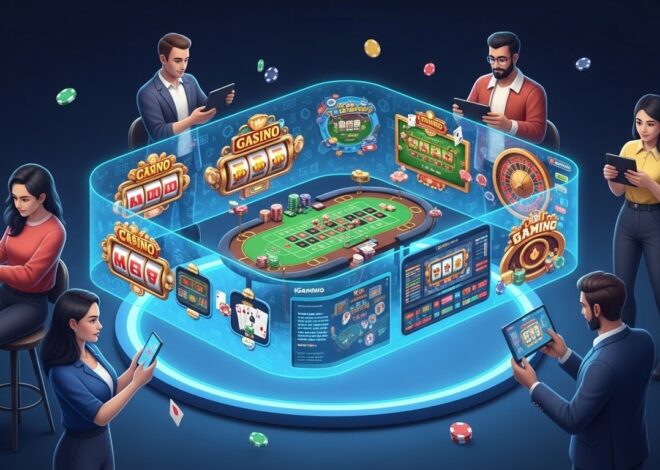
At its core, iGaming refers to any type of gambling or betting activity that takes place over the internet. This includes online casinos, sports betting, poker, virtual sports, and even the increasingly popular eSports betting. Essentially, if you can gamble digitally, it falls under the umbrella of iGaming.
The popularity of iGaming has surged in recent years due to its accessibility, variety of offerings, and technological advancements. Through iGaming, players can enjoy a range of gambling experiences from the comfort of their homes or on-the-go via mobile devices. The vastness of the sector is also evident, with platforms offering everything from traditional casino games like roulette and blackjack to live-streamed poker tournaments and betting on virtual football leagues.
What makes iGaming so appealing is the convenience it offers, the ability to bet on real-time events, and the ever-evolving nature of the technology behind these platforms.
The Evolution of iGaming: From Physical to Digital
The roots of iGaming can be traced back to the early 1990s, during a time when the internet was beginning to take shape as a global communication tool. Initially, gambling was limited to traditional brick-and-mortar casinos or the occasional lottery. However, the advent of the internet changed all of this, opening up new avenues for gambling.
Early Days: The 1990s
The first significant step in the development of iGaming occurred in 1994 when Microgaming launched the first online casino. This was a landmark moment because it laid the foundation for what would later become an entire industry. Microgaming’s software enabled users to play casino games, such as blackjack and poker, via their computers. As internet speeds improved and the software developed further, online casinos became more popular, leading to the emergence of other platforms offering a range of gambling experiences.
Around the same time, the online poker market began to expand. In 1998, Planet Poker launched the first real-money online poker game, creating a new type of gambling that combined strategy, skill, and competition. By the late 1990s, more online casinos and poker rooms had appeared, and the first online sportsbooks started offering digital betting on major sports events.
Expansion: Early 2000s and Beyond
As internet usage grew, so did the iGaming market. The early 2000s saw a massive increase in the number of online casinos, sportsbooks, and poker rooms. During this time, the industry also started to attract a global audience. In 2003, PokerStars became the dominant online poker platform, while online sports betting began to attract larger audiences, thanks in part to media coverage of international sports events.
The rise of broadband internet in the mid-2000s gave iGaming a boost, enabling faster, more stable connections and the ability to stream live events such as poker tournaments. This marked the beginning of live dealer casinos, where players could participate in real-time gambling experiences with live-streamed dealers. Games like live blackjack, live roulette, and live baccarat quickly gained popularity, offering a near-authentic casino experience to players from anywhere in the world.
The Mobile Revolution
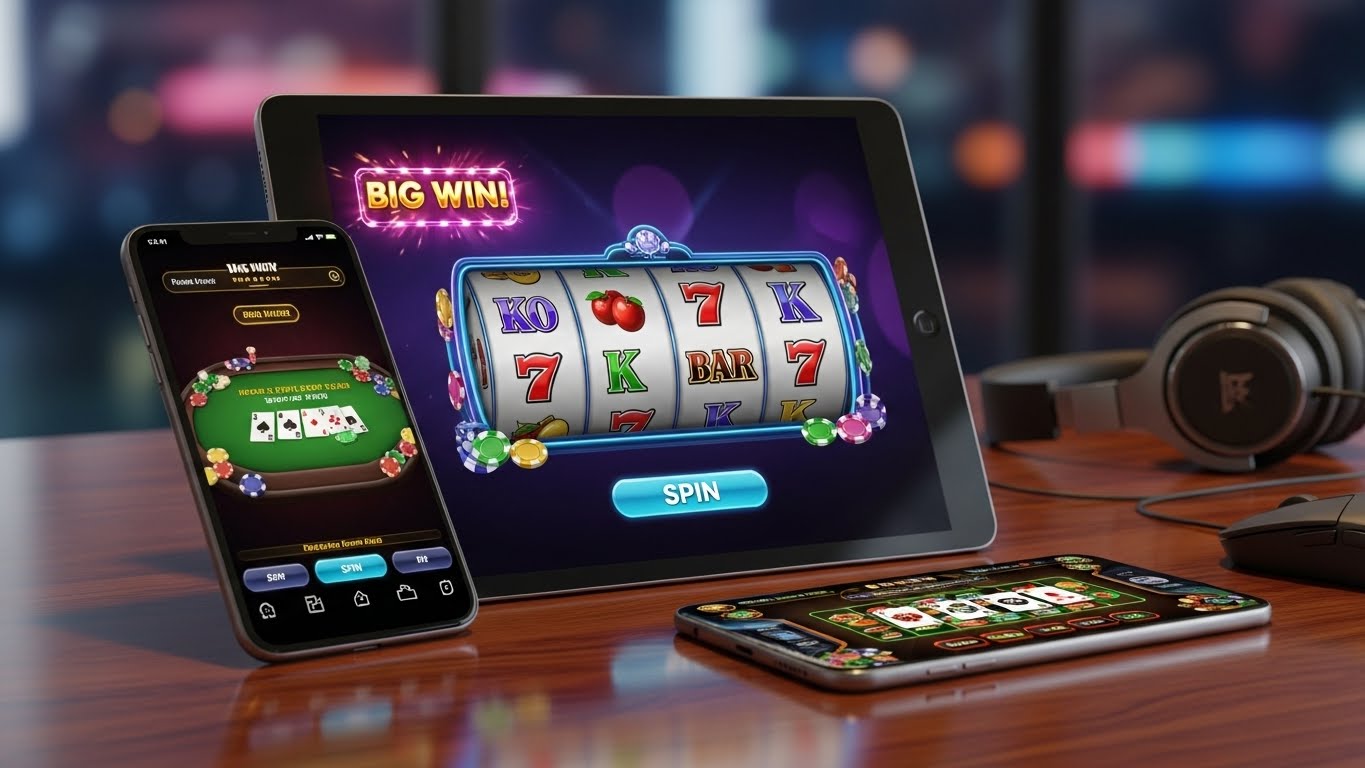
A major turning point for iGaming came with the explosion of smartphones and tablets in the late 2000s and early 2010s. Mobile gaming allowed players to access their favorite gambling platforms anytime, anywhere. This not only made the experience more convenient but also created new opportunities for operators to expand their offerings. Mobile apps and responsive websites allowed users to enjoy a seamless gambling experience, whether on a commute, at home, or even on vacation.
What Makes iGaming So Popular?
Several factors have contributed to the rapid rise of iGaming, making it one of the fastest-growing sectors in the digital entertainment industry.
1. Convenience and Accessibility
One of the biggest draws of iGaming is the level of convenience it offers. Instead of traveling to a physical casino, players can log on to their computers or smartphones and enjoy a vast selection of games without leaving their homes. The accessibility factor also makes it possible for people from around the world to participate in the same games, creating a global gambling community.
Whether it’s online slot games, poker tournaments, or placing live bets on a football game, players can engage with iGaming platforms 24/7, often with fewer barriers than those found in traditional gambling settings.
2. Variety and Innovation
iGaming offers a much wider variety of gambling options compared to traditional casinos. Online platforms constantly introduce new games, features, and betting opportunities, keeping players engaged and entertained. Players can find everything from classic games like poker and roulette to more modern, innovative formats like virtual sports, live betting, and eSports betting.
The innovation in iGaming is also evident in the development of live casinos, which allow players to interact with real human dealers in real-time via video streaming. With advancements like augmented reality (AR) and virtual reality (VR), the future of iGaming promises even more immersive and engaging experiences.
3. Bonuses and Promotions
In the highly competitive world of iGaming, operators often offer generous bonuses and promotions to attract new players and retain existing ones. These can include welcome bonuses, free spins, no-wagering bonuses, and cashback offers. The availability of these rewards can make online gambling much more appealing compared to traditional casinos, where bonuses are often more limited.
4. Enhanced Payment Systems
The evolution of payment systems has also made iGaming more accessible. Today, players can use various payment methods such as credit cards, e-wallets, cryptocurrency, and even mobile payment systems. These advancements have made transactions faster, more secure, and more convenient. Cryptocurrency, in particular, has become increasingly popular in the iGaming world, as it offers anonymity, fast transactions, and low fees for users and operators alike.
The Regulatory Landscape of iGaming
As iGaming continues to grow, it has drawn attention from regulatory bodies around the world. Licensing and regulation are critical components of the industry, ensuring that operators comply with specific standards to protect players and maintain fairness.
In some countries, such as the United Kingdom, Spain, and Gibraltar, iGaming is heavily regulated, with strict licensing requirements and consumer protection laws in place. Meanwhile, other regions, such as the United States, have a more complex legal landscape. In 2018, the Supreme Court of the United States struck down a federal ban on sports betting, giving individual states the power to regulate sports betting within their borders. This decision has led to the legalization of sports betting in many states, further driving the growth of iGaming in the U.S.
While regulation helps protect consumers and maintains the integrity of the industry, it can also present challenges for operators who must navigate varying laws across different jurisdictions.
The Future of iGaming
The iGaming industry is evolving at a rapid pace, driven by new technologies, changing consumer behavior, and an ever-expanding global market. Here are some trends that are likely to shape the future of iGaming:
1. Virtual Reality (VR) and Augmented Reality (AR)
VR and AR technologies have the potential to revolutionize the way people experience online gambling. Imagine stepping into a virtual casino from the comfort of your home, where you can walk around, interact with other players, and play in a fully immersive digital environment. While still in its early stages, VR in iGaming has the potential to make the experience more interactive and realistic than ever before.
2. Increased Use of Artificial Intelligence (AI)
AI is already being used in many areas of iGaming, from personalizing the gaming experience to detecting fraud and improving customer support. In the future, AI will likely play an even bigger role, analyzing player behavior to offer customized game recommendations, optimizing betting odds, and creating more efficient systems for detecting and preventing cheating.
3. Blockchain and Cryptocurrency Integration
Blockchain technology offers several benefits for iGaming, including enhanced transparency, security, and fairness. By using blockchain, iGaming platforms can ensure that games are provably fair, meaning players can verify the outcomes of every bet they place. Moreover, cryptocurrencies like Bitcoin and Ethereum are likely to become even more prominent in the iGaming world, providing faster, more secure transactions with lower fees.
4. Mobile Gaming Advancements
The dominance of mobile devices shows no sign of slowing down. As mobile technology continues to advance, we can expect even more optimized experiences for mobile players. This includes better graphics, faster load times, and more interactive features that enhance the gaming experience.
Conclusion
The rise of iGaming has changed the landscape of gambling in profound ways, bringing new opportunities, challenges, and experiences to players around the world. What started as a niche market in the early 1990s has now become a thriving global industry that spans across online casinos, sports betting, eSports, and beyond.