iGaming Revolution: Exploring the Digital Frontier of Online Entertainment
The world of iGaming has transformed dramatically over the past two decades, evolving from a niche hobby into a global entertainment phenomenon. iGaming, which encompasses online casinos, sports betting, poker, and other digital gaming experiences, has become a multi-billion-dollar industry. The convenience, innovation, and thrill of iGaming continue to attract millions of players worldwide. This blog explores the growth, dynamics, technologies, and cultural impact of iGaming, highlighting why it has become such an influential part of modern entertainment.
Understanding iGaming: A Digital Evolution of Gambling
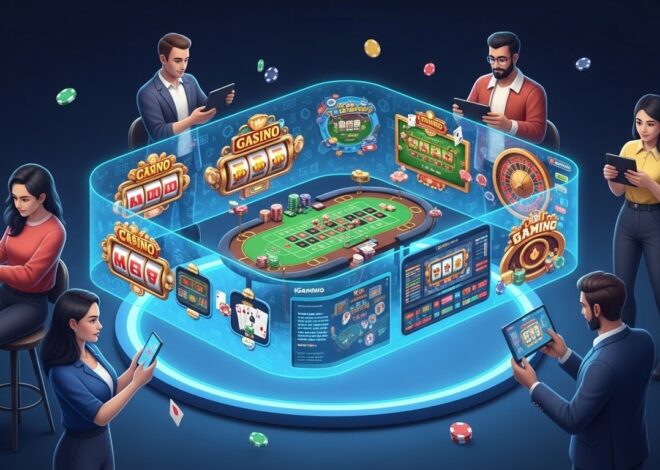
iGaming refers to all forms of gambling conducted online. This includes casino games like slots, blackjack, and roulette, online poker, bingo, sports betting, and fantasy sports platforms. Unlike traditional gambling, which requires visiting a physical location, iGaming allows users to participate in their favorite games from the comfort of their homes or on mobile devices.
The shift to digital platforms has not only made gambling more accessible but also introduced innovative ways to play. Players can now enjoy live dealer games, immersive slots with interactive storylines, and real-time betting on global sports events. The rise of iGaming reflects broader trends in digital transformation, where convenience, engagement, and personalization are driving consumer experiences.
The Growth of iGaming Industry
The iGaming industry has experienced exponential growth since its inception. Early online casinos in the 1990s laid the foundation, but the real surge came with advancements in internet speed, mobile technology, and digital payment systems. Today, the industry is worth tens of billions of dollars globally and continues to expand at a rapid pace.
One significant factor driving growth is the accessibility of mobile gaming. Smartphones have brought iGaming to the pockets of millions, allowing people to play anytime and anywhere. Additionally, modern platforms offer safe and secure payment options, including e-wallets, cryptocurrencies, and instant banking, making online gambling smoother than ever before.
Types of iGaming Platforms
iGaming is diverse, offering a wide range of platforms and experiences. Each type caters to different player preferences and provides unique entertainment opportunities.
Online Casinos
Online casinos are the heart of the iGaming industry. They offer traditional games like roulette, blackjack, baccarat, and slots in digital formats. Advanced graphics, interactive features, and live dealers enhance the experience, making online casinos as engaging as their physical counterparts.
Sports Betting
Sports betting platforms allow users to place wagers on a variety of sports, including football, basketball, horse racing, and eSports. Live betting, where users can wager during a match or event, adds excitement and requires strategic thinking. Sports betting apps often provide real-time stats and analysis to enhance decision-making.
Poker and Card Games
Online poker and card games bring together players from around the world. Tournaments, cash games, and competitive leagues offer opportunities for both casual players and professionals. Digital platforms often provide tutorials, practice games, and analytics tools to help players improve their skills.
Bingo and Lottery Games
Bingo and online lotteries appeal to players seeking casual, low-stakes entertainment. Digital versions retain the traditional charm while offering enhanced visuals, social interaction, and convenient gameplay.
eSports Betting
The rise of eSports has created a niche for betting on competitive video gaming. Platforms allow players to wager on tournaments and matches in games like League of Legends, Dota 2, and Counter-Strike. eSports betting combines gaming knowledge, strategy, and excitement for a unique form of iGaming.
Technology Driving the iGaming Experience
Modern iGaming relies on advanced technologies to create immersive and secure experiences.
Random Number Generators
Random number generators ensure fairness in digital casino games. They simulate unpredictability similar to physical games, making every spin, deal, or roll random and unbiased.
Live Dealer Technology
Live dealer platforms stream real human dealers in real-time, allowing players to interact with them and other participants. This technology bridges the gap between physical and online casinos, delivering an authentic experience from home.
Mobile Optimization
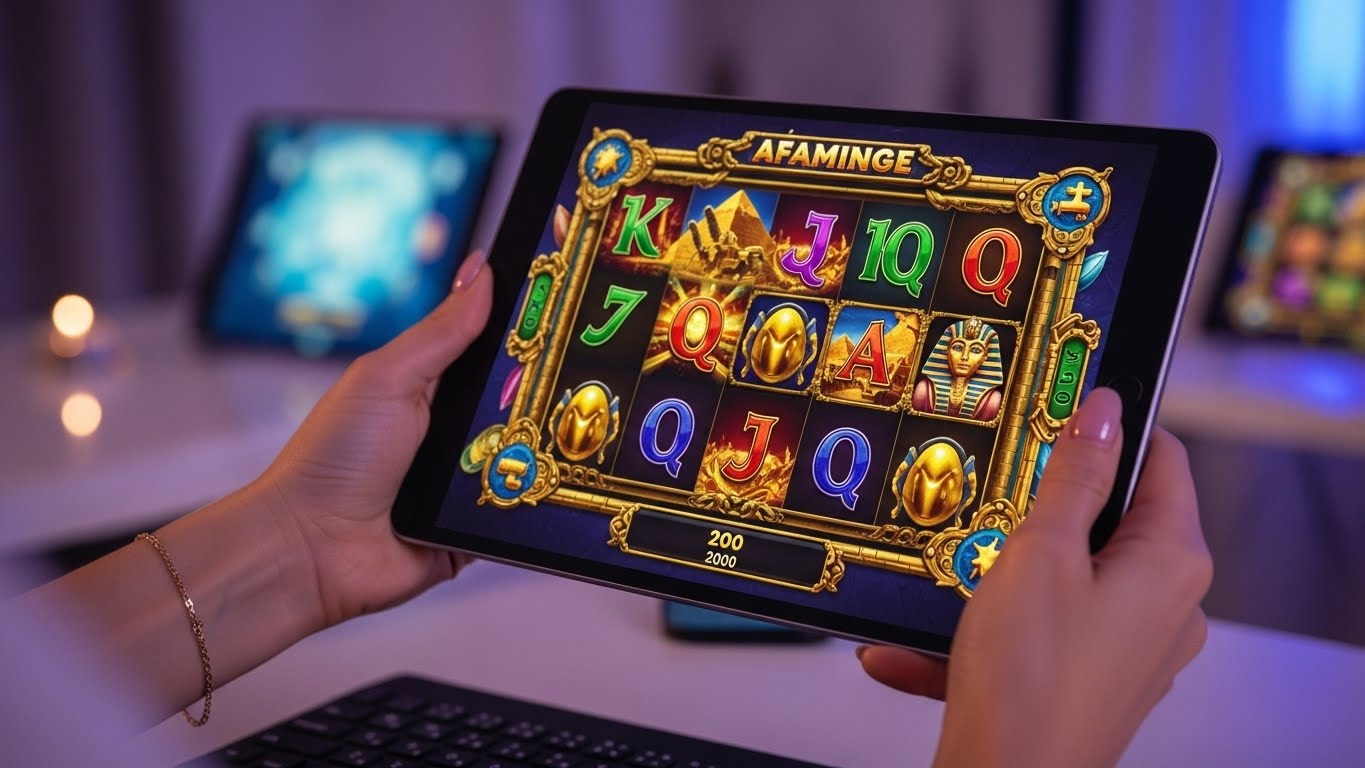
Mobile technology is critical to iGaming’s success. Apps and mobile-optimized websites allow users to play seamlessly on smartphones and tablets, with touch-friendly interfaces and responsive design enhancing accessibility.
Blockchain and Cryptocurrencies
Blockchain technology introduces transparency and security to online gambling. Cryptocurrencies like Bitcoin allow fast, secure, and anonymous transactions, while smart contracts can automate payouts and ensure fairness.
Artificial Intelligence and Personalization
AI-driven algorithms enhance user experience by recommending games based on play history, detecting responsible gaming patterns, and providing customer support through chatbots. Personalization helps retain players and keeps gameplay engaging.
The Social and Cultural Impact of iGaming
iGaming has not only transformed entertainment but also influenced social and cultural trends.
Community and Social Interaction
Online gaming platforms often include social features such as chat rooms, leaderboards, and multiplayer tournaments. These create communities where players interact, compete, and share experiences.
Gamification and Engagement
iGaming platforms use gamification techniques to increase engagement. Reward systems, achievements, levels, and loyalty programs motivate players to continue playing while enhancing the entertainment value.
Changing Attitudes Towards Gambling
Digital accessibility has normalized gambling as a form of entertainment. Younger generations view iGaming as a legitimate leisure activity, contributing to wider acceptance and integration into popular culture.
Economic Contributions
The iGaming industry generates significant revenue, creates jobs, and contributes to government taxation in regions where it is regulated. Its economic footprint extends beyond casinos to technology providers, marketing, and affiliate networks.
Challenges and Responsible Gaming
Despite its growth, iGaming faces challenges, particularly regarding responsible gaming and regulation.
Addiction and Mental Health
The ease of access and immersive nature of online gaming can lead to addictive behaviors. Responsible gaming initiatives, including deposit limits, self-exclusion options, and educational programs, are essential to mitigate risks.
Regulatory Compliance
iGaming platforms must comply with strict regulations in different regions. Licensing, age verification, and anti-money laundering measures are critical for legal operation and player protection.
Security and Fraud Prevention
Ensuring the security of digital transactions and personal data is vital. Platforms employ encryption, secure servers, and monitoring systems to prevent fraud, hacking, and data breaches.
The Future of iGaming
The future of iGaming promises continued innovation and expansion.
Virtual Reality and Immersive Gaming
Virtual reality technology has the potential to revolutionize iGaming by creating fully immersive casino environments. Players can walk around virtual casinos, interact with others, and experience games in a lifelike setting.
Artificial Intelligence and Smart Gaming
AI will further personalize gaming experiences, offering dynamic challenges and tailored rewards. Smart algorithms can enhance fairness, detect fraudulent activity, and improve player retention.
Global Expansion
As regulations evolve, more countries are embracing legal iGaming. This expansion introduces new markets, cultural diversity, and innovative gaming experiences.
Integration with Entertainment Platforms
iGaming is increasingly blending with broader digital entertainment. Streaming, social media, and virtual events are creating multi-dimensional experiences that combine gaming, entertainment, and social interaction.
Conclusion: iGaming as a Transformative Entertainment Medium
iGaming represents a convergence of technology, creativity, and human desire for excitement and social interaction. It has transformed traditional gambling into a dynamic digital experience accessible to millions worldwide. With advancements in mobile technology, virtual reality, AI, and secure payment systems, iGaming continues to evolve, offering richer, safer, and more engaging experiences.
The industry’s growth reflects broader trends in entertainment, highlighting how technology reshapes leisure, community, and culture. While challenges around responsible gaming and regulation remain, the potential for innovation, creativity, and social engagement is immense. iGaming is no longer just a pastime; it is a transformative form of entertainment that will continue to redefine how people play, connect, and experience digital worlds.