The Rise of iGaming: How Online Casinos and Betting Platforms Changed the Gambling World
Introduction
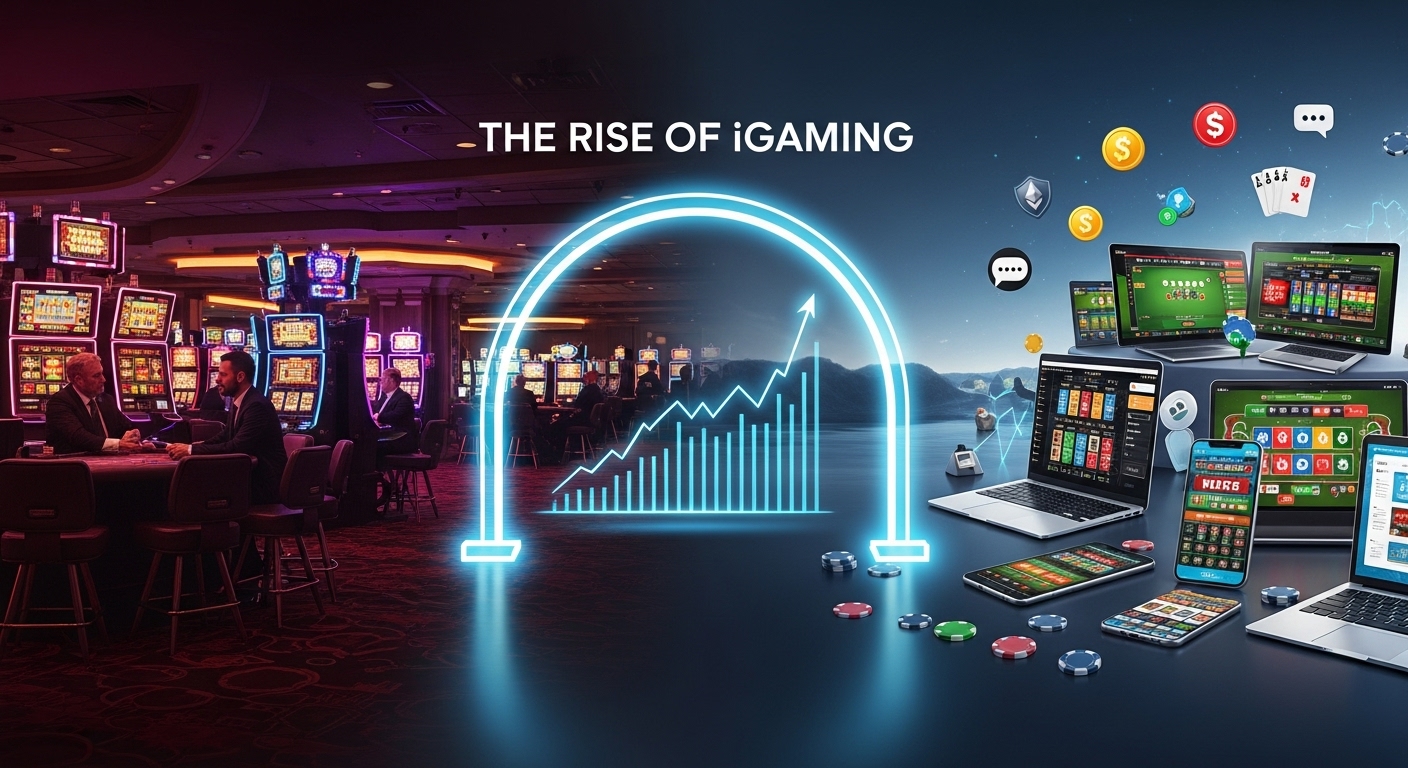
Over the last two decades, the gambling industry has undergone a digital revolution. What was once confined to traditional brick-and-mortar casinos has now expanded into a vast digital marketplace known as iGaming. Today, millions of people around the globe play online poker, spin slot machines, place sports bets, and engage in live dealer experiences without ever stepping foot into a physical casino.
This blog takes a deep dive into the rise of iGaming, tracing its roots, exploring the technologies that enabled it, analyzing the most popular forms of online gaming, and considering both its opportunities and challenges.
What is iGaming?
The term iGaming refers to any form of online gambling where real money is wagered on games or betting activities. This includes:
- Online casinos (slots, table games, roulette, blackjack)
- Online poker
- Sports betting
- Esports betting
- Live dealer games
- Lottery and bingo
Unlike physical casinos, iGaming platforms are accessible 24/7 across devices such as desktops, tablets, and smartphones.
The Early Days of iGaming
- 1990s Beginnings: The first online casinos appeared in 1994 after Antigua and Barbuda passed the Free Trade & Processing Act, allowing companies to offer online gambling licenses.
- Basic Platforms: Early platforms offered simple slot games and card games, with limited graphics and functionality.
- Payment Challenges: Lack of secure online payment gateways initially slowed growth.
- Poker Boom (2000s): Online poker surged in popularity with televised tournaments like the World Series of Poker inspiring millions to try digital platforms.
Why iGaming Exploded Globally
- Convenience: Players can access games anytime, anywhere.
- Variety: Thousands of slot machines, hundreds of table games, and numerous betting options.
- Technology: High-speed internet, smartphones, and payment solutions expanded reach.
- Live Gaming: The introduction of live dealer games created trust and authenticity.
- Regulation: Countries like the UK, Malta, and Gibraltar provided licensing, improving safety and credibility.
The iGaming Economy
Today, the global iGaming market is worth hundreds of billions of dollars and continues to grow. Key drivers include:
- Mobile Gaming: Over 60% of iGaming activity now happens on mobile.
- Emerging Markets: Asia, Africa, and Latin America are rapidly adopting online gambling.
- Esports Betting: Younger demographics are drawn to betting on competitive gaming.
- Cross-Platform Integration: Players expect seamless transitions between desktop, mobile, and live play.
Popular iGaming Activities
1. Online Slots
The most popular iGaming activity. Themes range from mythology to TV shows. Progressive jackpots attract millions of players.
2. Online Poker
Texas Hold’em, Omaha, and tournaments attract both casual players and professionals.
3. Sports Betting
Football, basketball, cricket, and horse racing are global favorites. Live in-play betting has revolutionized the experience.
4. Live Casino Games
Streamed in real-time, live dealer games mimic the experience of a physical casino.
5. Esports Betting
Betting on games like CS:GO, League of Legends, and Dota 2 is a growing trend among younger demographics.
Benefits of iGaming
- Accessibility: Anyone with internet access can play.
- Bonuses & Promotions: Free spins, deposit bonuses, and loyalty programs.
- Diversity of Games: Thousands of options available instantly.
- Innovation: Constantly evolving with technology.
Challenges and Concerns
- Problem Gambling: Easy access can lead to addiction.
- Fraud & Security Risks: Unregulated platforms can pose risks.
- Regulation: Different countries enforce different laws.
- Responsible Gambling: Ensuring player safety remains a top priority.
The Future of iGaming
- VR and AR Casinos: Fully immersive digital casinos.
- Blockchain & Crypto: Transparent, anonymous, and secure payments.
- AI Integration: Personalized recommendations and responsible gambling tools.
- Global Expansion: More countries legalizing iGaming.
Conclusion
iGaming has transformed gambling into a global, digital-first industry. With its mix of convenience, variety, and innovation, it continues to attract millions of players worldwide. As technology evolves, iGaming is set to become even more immersive, secure, and integrated into mainstream entertainment.