The Rise of iGaming: Transforming Entertainment and the Digital Economy
In recent years, the world of entertainment has seen a rapid transformation, driven by technological advancements and shifting cultural trends. One of the most significant developments in this digital revolution is the rise of iGaming, a sector that blends the thrill of traditional gaming with the convenience and accessibility of online platforms. iGaming has not only reshaped the way people engage with gambling but has also given birth to new forms of entertainment, creating a massive digital economy in the process. In this blog post, we’ll explore the world of iGaming, its evolution, its impact on society, and the future of this exciting industry.
What is iGaming? Understanding the Basics
iGaming, or internet gaming, refers to the act of playing gambling-related games online. It encompasses a wide range of activities, from online casinos and sports betting to poker rooms and lottery services. In simple terms, iGaming allows players to experience the thrills of traditional gambling from the comfort of their own homes, using their computers, smartphones, or tablets.
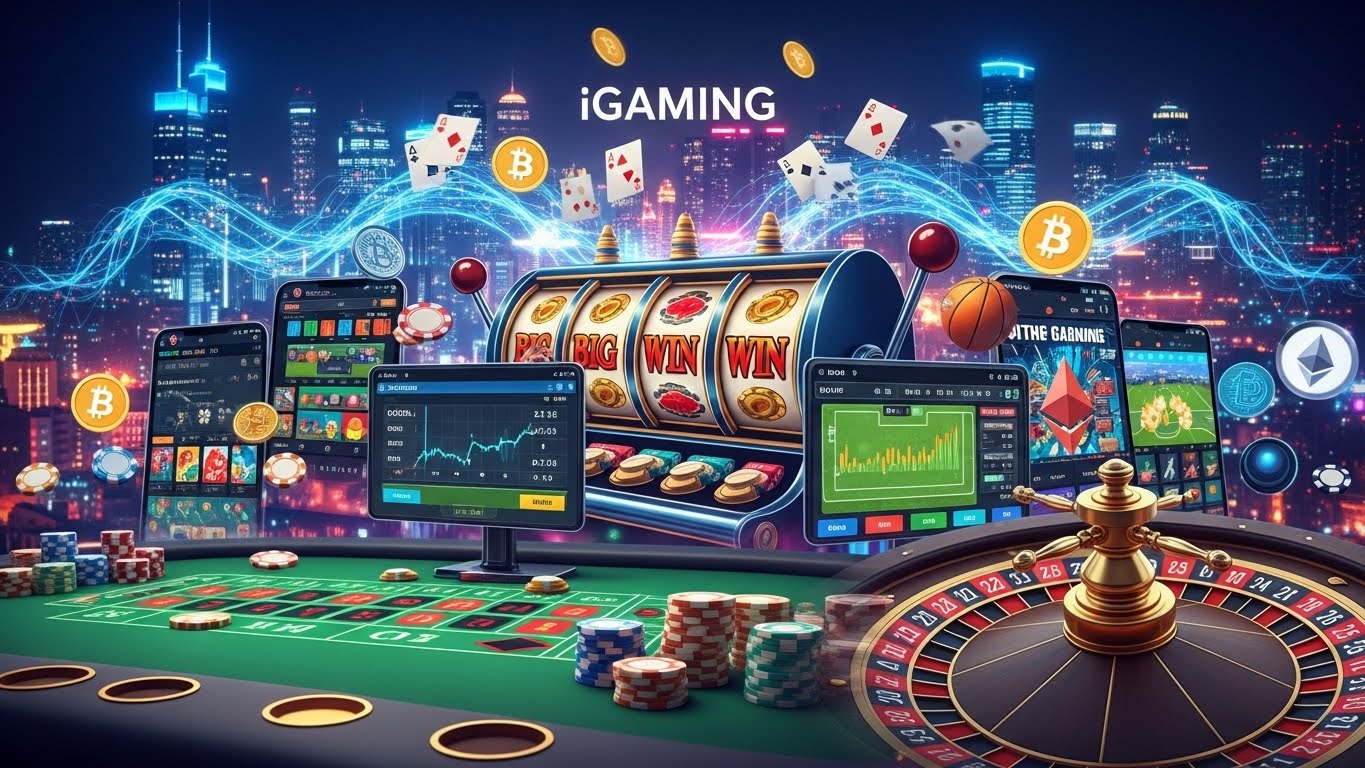
The iGaming industry includes various games such as online slots, blackjack, roulette, video poker, and virtual sports. Additionally, online sportsbooks provide the ability to bet on real-world sports events like football, basketball, horse racing, and even esports. The convenience of online gambling platforms has led to a surge in their popularity, attracting players from across the globe.
At its core, iGaming offers an immersive experience where users can interact with both the platform and other players in real time. The integration of cutting-edge technologies, such as live streaming, real-time betting, and interactive graphics, has made online gambling more engaging and enjoyable than ever before.
The Evolution of iGaming: From Traditional Casinos to Online Platforms
The concept of gambling has existed for centuries, dating back to ancient civilizations where people wagered money on games of chance. Traditional brick-and-mortar casinos, like those found in Las Vegas, Monaco, and Atlantic City, became the epicenter of the gambling world during the 20th century. However, it wasn’t until the rise of the internet in the 1990s that the concept of iGaming began to take shape.
In 1994, the government of Antigua and Barbuda passed the Free Trade and Processing Act, which allowed for the establishment of online gambling sites. This legislation marked the beginning of the iGaming revolution, as it provided the legal framework for operators to launch their services in an increasingly connected world. The first real-money online casino, InterCasino, went live in 1996, offering a limited selection of games to players around the world.
The following years saw a rapid expansion in the iGaming sector, with more casinos, poker rooms, and sports betting platforms entering the market. By the early 2000s, iGaming had grown into a multi-billion-dollar industry. The introduction of more advanced technologies, such as secure payment processing and software solutions for game fairness, helped establish trust between operators and players.
As mobile technology advanced, the iGaming industry experienced another wave of transformation. With the proliferation of smartphones and tablets, players could now access their favorite games anytime, anywhere. The rise of mobile gaming was a game-changer, allowing the iGaming industry to tap into new demographics and expand its global reach.
The Key Components of iGaming: What Makes It Tick?
The success of the iGaming industry can be attributed to several key factors that make it an attractive option for both players and operators alike. Understanding these components helps explain why iGaming has grown so rapidly and continues to flourish.
1. Accessibility and Convenience
One of the primary reasons iGaming has become so popular is its accessibility. With just an internet connection, players can access a wide variety of games without having to visit a physical casino or bookmaker. This level of convenience is unmatched in traditional gambling, as players can gamble from anywhere, at any time. Whether it’s during a lunch break, at home on the weekend, or even while traveling, iGaming platforms provide unparalleled flexibility.
2. Game Variety
Another factor that has contributed to the success of iGaming is the sheer variety of games available. Online casinos offer everything from classic table games like blackjack and poker to hundreds of video slots with intricate themes and exciting bonus features. Sports betting platforms cater to a range of sports, from football and basketball to niche options like esports, virtual sports, and even TV shows or political events. This wide range of options ensures that players of all interests and experience levels can find something that suits their preferences.
3. Bonuses and Promotions
To attract new players and retain existing ones, iGaming operators often offer attractive bonuses and promotions. These may include welcome bonuses, free spins, no-wagering bonuses, loyalty rewards, and more. Bonuses not only provide added value to players but also encourage them to engage more frequently with the platform. For players, these incentives are a key part of the appeal, as they offer opportunities to increase their chances of winning without spending extra money.
4. Live Dealer Games
The introduction of live dealer games has been a revolutionary step for the iGaming industry. Live casino games feature real dealers interacting with players in real time via live video streams. Games like live blackjack, roulette, and baccarat allow players to enjoy the atmosphere of a traditional casino, with the added convenience of playing from home. The immersive experience of live dealer games has bridged the gap between land-based casinos and online platforms, creating a more authentic gambling experience.
5. Mobile Gaming
The mobile revolution has had a profound impact on the iGaming industry. Mobile casinos and sports betting apps allow players to enjoy a seamless experience on their smartphones and tablets. The ease of access and portability of mobile gaming have played a pivotal role in expanding the reach of iGaming, especially among younger, tech-savvy audiences.
The Social Aspect of iGaming: Online Communities and Multiplayer Features
While many associate gambling with solitary activities, iGaming has fostered a social environment where players can interact with others in real-time. Online poker rooms, for example, enable players to compete against each other, chat with fellow competitors, and participate in multiplayer tournaments. Many online casinos also feature live chat options, allowing players to communicate with dealers and other participants during gameplay.
In addition to live interaction, social features such as leaderboards, tournaments, and community-driven events further enhance the social experience of iGaming. These features encourage friendly competition, create a sense of camaraderie, and make players feel more connected to the iGaming ecosystem. Some platforms also allow players to share their achievements or progress on social media, contributing to a sense of community and involvement.
Furthermore, the rise of streaming platforms like Twitch has allowed professional gamers and iGaming enthusiasts to broadcast their gameplay live to a global audience. Watching someone else play in real-time adds another layer of social interaction to the iGaming experience, creating opportunities for discussion, learning, and entertainment.
The Legal Landscape: Regulations and Challenges
As the iGaming industry continues to grow, the need for regulation and oversight has become increasingly important. Unlike traditional forms of gambling, which are typically regulated at the national or regional level, iGaming operates across borders and often involves players from multiple countries. This global nature of iGaming has created unique challenges for regulators, as laws governing online gambling vary widely from one jurisdiction to another.
Some countries, such as the United Kingdom, have established comprehensive regulatory frameworks for online gambling, ensuring that operators follow strict guidelines for fairness, security, and responsible gambling. In contrast, many countries have yet to fully regulate iGaming, while others have outright banned online gambling altogether.
Despite these challenges, iGaming has continued to thrive due to the efforts of responsible operators and players. Many operators are now licensed by reputable regulatory bodies, which helps to establish trust and ensure a safe environment for players. The use of encryption technology, responsible gambling tools, and secure payment methods also plays a significant role in maintaining the integrity of the industry.
The Future of iGaming: Innovation and Growth
Looking ahead, the future of iGaming seems bright. The continued development of new technologies, such as virtual reality (VR), augmented reality (AR), and blockchain, is poised to revolutionize the iGaming experience even further. VR casinos, for example, could offer players the ability to immerse themselves in a fully interactive 3D environment, making the experience more realistic and engaging than ever before. AR technology could allow players to enjoy real-world casino environments, while blockchain could enhance security, transparency, and fairness in online gaming.
Esports betting, which has seen exponential growth in recent years, is expected to continue its upward trajectory. As esports tournaments and leagues gain popularity, betting on esports events will likely become a significant component of the iGaming market. Additionally, the integration of artificial intelligence (AI) and machine learning could help create more personalized and dynamic gaming experiences, tailoring games and promotions to individual players.
With the increasing adoption of mobile gaming and the rise of social gaming, iGaming is expected to become even more accessible and inclusive. The growing popularity of digital wallets and cryptocurrencies will also pave the way for more seamless and secure transactions in the future.
Conclusion: A New Era of Digital Entertainment
iGaming has come a long way since its humble beginnings, evolving into a multi-billion-dollar industry that combines entertainment, technology, and social interaction. The growth of online casinos, sports betting platforms, and multiplayer games has transformed the gambling world, offering players unprecedented convenience, variety, and immersive experiences. With ongoing advancements in technology and an ever-expanding global reach, iGaming is set to continue its upward trajectory, shaping the future of digital entertainment for years to come.
As the industry matures, it is important for operators and players alike to embrace responsible gaming practices and ensure that the iGaming environment remains safe, secure, and fair for everyone involved. By doing so, we can enjoy the benefits of this exciting new era in entertainment while mitigating its risks and challenges.