The Evolution of iGaming: A New Era of Entertainment and Opportunity
Introduction: The Rise of iGaming
The world of online gaming, or iGaming as it is more commonly known, has experienced a meteoric rise in recent years, becoming a multi-billion-dollar industry. From traditional casino games like blackjack and roulette to newer, innovative offerings like eSports and virtual sports betting, iGaming has captured the imagination of millions globally. This surge in popularity is not just a passing trend but part of a broader shift in the entertainment landscape, driven by technological advancements, regulatory changes, and changing consumer preferences.
In this blog post, we will explore the fascinating world of iGaming, examining its evolution, the key factors behind its growth, and the future prospects of this ever-expanding industry.
What is iGaming?
iGaming refers to the practice of gambling or betting that takes place over the internet. It encompasses a wide range of activities, including:
- Online Casino Games: Slots, blackjack, poker, roulette, and other casino-style games.
- Sports Betting: Placing bets on real-life sports events through online sportsbooks.
- eSports Betting: Wagering on competitive video game matches, a growing market that has taken the world by storm.
- Virtual Sports: Betting on simulated sports events, often powered by RNG (Random Number Generator) technology.
In essence, iGaming is a digital version of traditional gaming and betting activities, with the added benefit of being accessible from the comfort of one’s home, or even on the go via mobile devices.
The History and Evolution of iGaming
The iGaming industry’s roots can be traced back to the mid-1990s. In 1994, Antigua and Barbuda passed the Free Trade & Processing Act, which allowed companies to license and operate online gaming platforms. This laid the legal foundation for what would soon become a global industry. The first online casino, InterCasino, was launched in 1996, and it offered a limited selection of games. Though primitive by today’s standards, it represented a pioneering step in what would eventually become a massive online marketplace.
As the internet grew more accessible to the public, so did the opportunities for iGaming. Online sportsbooks and poker rooms followed, offering punters the chance to place bets or compete with others without leaving home. In the early 2000s, the popularity of poker exploded, particularly following the “Poker Boom” driven by televised tournaments like the World Series of Poker. Online poker rooms like PokerStars and Full Tilt Poker became household names.
The development of advanced technologies such as high-speed internet, mobile devices, and live-streaming has further fueled the growth of the iGaming sector. Today, the industry is not just about simple casino games but includes a wide array of experiences, including live dealer games, skill-based gaming, and even virtual reality casinos.
Key Factors Driving the Growth of iGaming
Several factors have contributed to the rapid expansion of the iGaming market. Let’s take a look at some of the most influential elements.
1. Technological Advancements
The backbone of the iGaming revolution is technology. With faster internet speeds, better graphics, and more intuitive user interfaces, online gaming has never been more accessible or immersive. The rise of mobile gaming, in particular, has allowed users to access their favorite casino games or place bets on sports wherever they are.
Virtual reality (VR) and augmented reality (AR) are also making their mark on the industry, with some casinos offering VR experiences that replicate the atmosphere of a real-world casino. These technologies are expected to play an even bigger role in the future, providing users with more interactive and engaging experiences.
2. Mobile Gaming
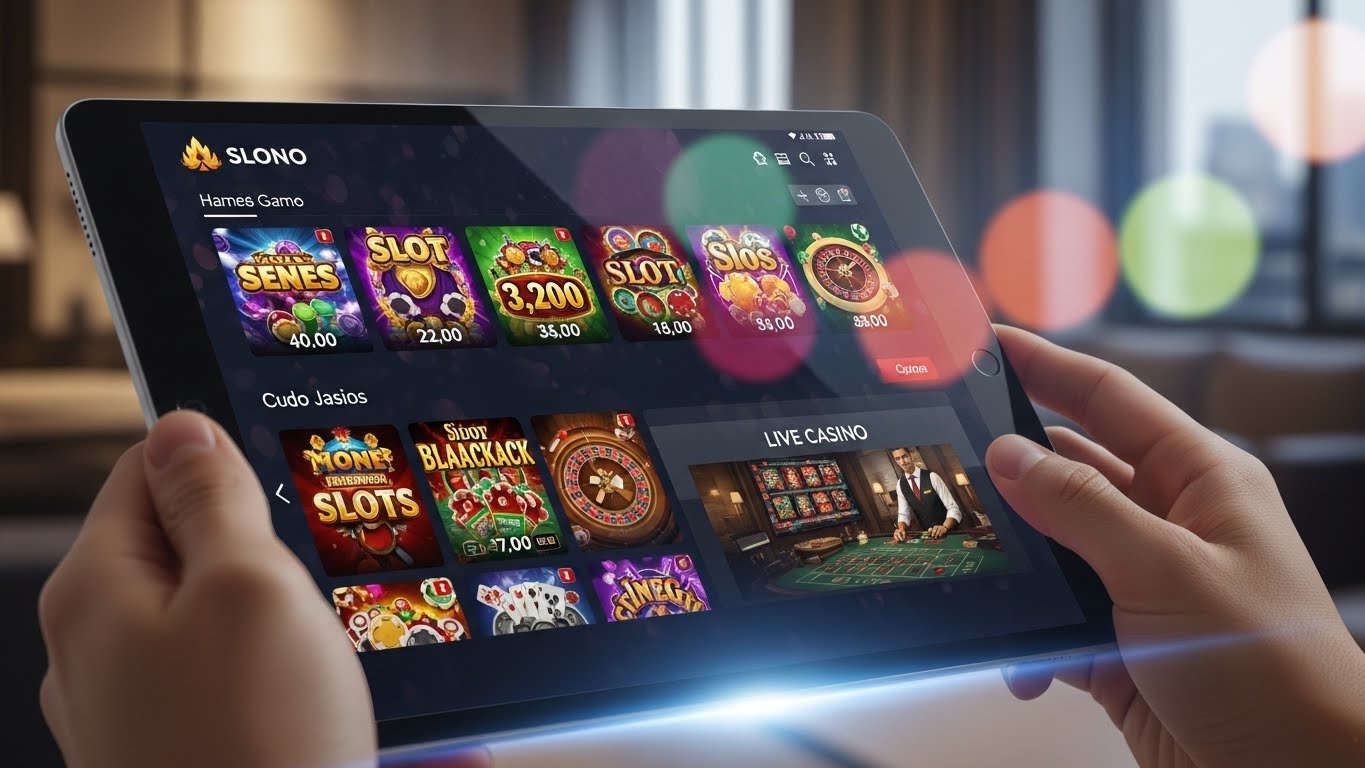
The advent of smartphones and tablets has revolutionized the way we interact with online gaming platforms. Mobile gaming has allowed iGaming to reach new audiences, especially younger generations who prefer playing games on the go. Many online casinos and sportsbooks now offer mobile-optimized websites or dedicated apps that make it easier to place bets, play casino games, or engage in live dealer experiences.
The convenience and portability of mobile gaming have made it one of the fastest-growing sectors of the iGaming market.
3. Changing Consumer Preferences
In the past, gambling and betting were often viewed as taboo activities. However, attitudes toward iGaming have changed dramatically over the years. Younger generations, in particular, are more open to digital entertainment that involves an element of chance or skill. Many players now view online gaming as a form of entertainment rather than just a way to make money.
Additionally, the gamification of iGaming has made it more appealing. With loyalty programs, rewards, and various other incentives, iGaming platforms have integrated elements of traditional gaming to enhance the overall experience and make it more engaging.
4. Regulatory Changes
In the early days of iGaming, the lack of regulation led to concerns about fairness, security, and responsible gambling. However, in recent years, many jurisdictions have introduced stricter regulations to ensure that online gaming is safe, fair, and transparent. Countries like the United Kingdom, Malta, and Gibraltar have set high standards for online gaming operators, creating a more secure environment for players.
In addition, the legalization of online sports betting in many parts of the world has opened up new avenues for iGaming growth. For instance, the United States, which had long prohibited online sports betting, saw a massive surge in the industry’s size after the repeal of PASPA in 2018, allowing states to regulate and license sports betting.
5. Global Reach and Accessibility
One of the key advantages of iGaming is its accessibility. Players can enjoy online gaming from anywhere in the world, as long as they have an internet connection. This global reach has allowed operators to tap into new markets and expand their customer base exponentially.
Furthermore, many online gaming platforms offer multiple language options, making it easier for non-English-speaking players to join in on the fun. Payment options are also becoming increasingly diverse, allowing players from different regions to deposit and withdraw funds in their preferred currencies.
The Different Types of iGaming
iGaming is a broad term that encompasses various types of online gambling and gaming experiences. Here are some of the most popular categories:
1. Online Casino Games
Online casinos are the backbone of the iGaming industry. These platforms offer a wide range of traditional casino games, including:
- Slots: One of the most popular types of casino games, online slots come in various themes and styles, from classic 3-reel games to modern video slots with advanced features like free spins and bonus rounds.
- Table Games: These include blackjack, roulette, baccarat, and craps, all of which can be played against a computer or, in some cases, a live dealer.
- Poker: Online poker rooms allow players to compete in a variety of poker variants, including Texas Hold’em, Omaha, and Seven-Card Stud.
2. Sports Betting
Online sports betting is one of the most established sectors within iGaming. Players can place bets on a variety of sports, from popular options like football, basketball, and horse racing, to niche sports like eSports and virtual sports. Sports betting platforms often provide in-depth statistics, live odds, and real-time updates to enhance the betting experience.
3. eSports Betting
eSports has emerged as one of the most exciting and fast-growing segments of the iGaming industry. Competitive video gaming tournaments now attract millions of viewers and participants, with some events offering multi-million-dollar prize pools. Betting on eSports allows fans to wager on their favorite teams or players in games like League of Legends, Dota 2, and Counter-Strike: Global Offensive.
4. Virtual Sports
Virtual sports are computer-simulated versions of real-life sports. These games are powered by RNG technology and can be bet on just like traditional sports. Virtual football, horse racing, and basketball are some of the most popular virtual sports offerings.
The Future of iGaming: What’s Next?
The iGaming industry is poised for continued growth, but what does the future hold? Several trends are likely to shape the next phase of iGaming’s evolution.
1. Integration of Blockchain and Cryptocurrencies
Blockchain technology and cryptocurrencies like Bitcoin are beginning to make their mark on the iGaming world. Blockchain can offer transparency, fairness, and security, which are critical in the gambling space. Cryptocurrencies provide players with faster, anonymous transactions, adding another layer of convenience and privacy to the gaming experience.
2. Increased Regulation and Responsible Gambling
As the iGaming industry continues to grow, it is likely that regulators will impose even stricter requirements on operators, particularly in the areas of consumer protection, responsible gambling, and anti-money laundering. Responsible gambling initiatives, such as self-exclusion programs and deposit limits, will likely become more common.
3. Live Dealer Games and Enhanced Interactivity
Live dealer games, where players interact with real human dealers via video stream, have become a major trend in recent years. These games offer a more immersive and authentic casino experience. In the future, we can expect even more interactivity, with players being able to communicate with dealers and other players in real-time, further blurring the lines between online and land-based casinos.
Conclusion: The Endless Potential of iGaming
The iGaming industry has come a long way since its humble beginnings in the 1990s. Today, it represents a dynamic and rapidly evolving sector that offers countless opportunities for entertainment, innovation, and revenue. With advances in technology, changing consumer preferences, and more favorable regulations, iGaming is set to continue its upward trajectory for years to come.
Whether you’re an avid gamer, a casual bettor, or simply someone interested in the future of entertainment, the world of iGaming holds a wealth of possibilities.