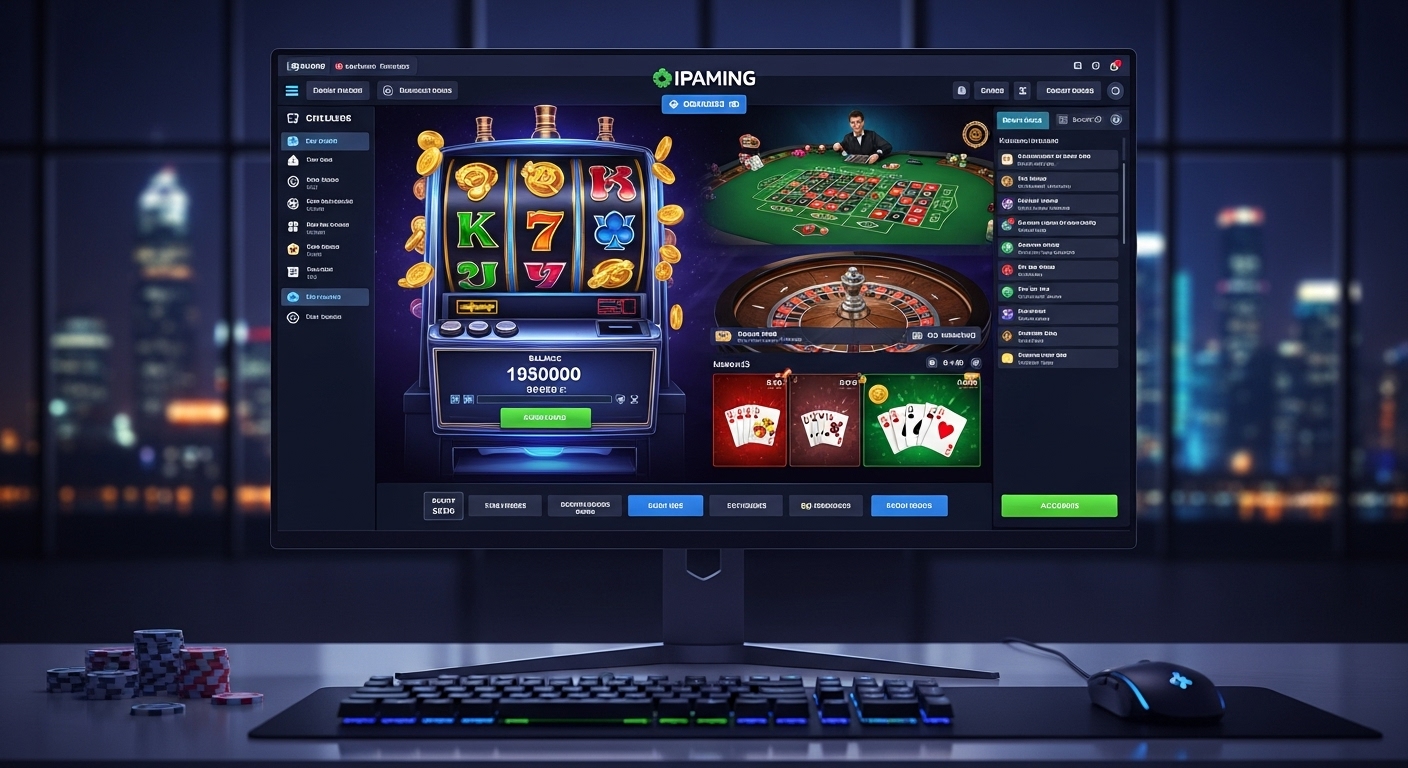
The Evolution of iGaming: Transforming Entertainment in the Digital Era
Introduction: iGaming as a Digital Revolution
The iGaming industry has emerged as one of the most dynamic and rapidly evolving sectors in digital entertainment. Combining technology, creativity, and interactivity, iGaming encompasses online casinos, sports betting, poker, and eSports betting platforms. The accessibility of gaming from the comfort of one’s home, alongside advancements in software and secure payment methods, has revolutionized how people engage with entertainment. In this article, we explore the growth of iGaming, its technological underpinnings, regulatory frameworks, player experiences, and future trends.
The Rise of iGaming
The concept of online gaming began in the late 1990s with the advent of the internet and digital payment systems. Early online casinos offered limited options and basic graphics, but they laid the foundation for an industry that has grown into a multi-billion-dollar global enterprise.
Over the years, iGaming has expanded beyond casino games to include live dealer experiences, sports betting, and skill-based games. Improved graphics, real-time interactions, and mobile compatibility have made iGaming accessible to millions of users worldwide. The convenience of playing from anywhere and the ability to interact with other players have redefined entertainment and leisure.
Technology Driving iGaming
Technology is at the heart of iGaming innovation. Advanced software platforms, random number generators, and secure payment gateways ensure fair gameplay and safe transactions. HTML5 technology has made games compatible across devices, enabling seamless experiences on smartphones, tablets, and desktops.
Artificial intelligence and machine learning enhance player personalization, offering tailored recommendations based on gaming habits. Live streaming technology brings the thrill of real-life casinos to virtual platforms, providing interactive dealer experiences. Virtual reality is also beginning to offer immersive gaming, allowing players to experience casinos in 3D environments without leaving home.
Online Casinos: Beyond the Traditional Experience
Online casinos have transformed traditional gambling into an interactive digital experience. Players can access hundreds of slot games, card games, and table games with just a few clicks. Live dealer tables simulate real-life casinos, where players can interact with professional dealers in real-time, adding authenticity to the virtual environment.
Bonuses, loyalty programs, and gamification elements enhance user engagement, offering incentives for continued play. The integration of secure digital wallets and cryptocurrencies has further improved accessibility and trust, ensuring players can deposit, play, and withdraw funds efficiently.
Sports Betting: From Stadiums to Screens
Sports betting has evolved significantly with the growth of iGaming. Digital platforms allow players to bet on a wide range of sports, including football, basketball, tennis, horse racing, and eSports. Real-time odds, live betting options, and statistical analysis provide a level of engagement that goes beyond traditional betting methods.
Mobile applications enable users to place bets during live matches, making sports events more interactive and exciting. Additionally, AI-powered analytics can help users make informed decisions, offering insights into team performance, player statistics, and betting trends.
Poker and Skill-Based Games: Strategy Meets Entertainment
Poker remains one of the most popular skill-based iGaming formats. Online poker rooms offer tournaments, cash games, and community interaction, replicating the social dynamics of physical poker rooms. Players can compete globally, improving their skills through practice and strategy.
Other skill-based games, including fantasy sports and strategy games, have also found a place in iGaming. These formats combine entertainment with critical thinking, attracting a diverse audience that seeks more than pure luck-based gaming.
The Role of Mobile Gaming
Mobile technology has been a game-changer for the iGaming industry. Smartphones and tablets have made gaming portable, allowing users to play anytime and anywhere. App stores and optimized websites provide seamless access to games, while push notifications engage users with promotions, updates, and personalized experiences.
The convenience of mobile gaming has expanded the player base significantly. Developers now focus on creating responsive, visually appealing, and fast-loading games that maintain high-quality experiences on small screens. Mobile-first strategies are now essential for the growth of any iGaming platform.
Security and Fair Play
Security is paramount in the iGaming industry. Players need confidence that their personal data and financial transactions are protected. Advanced encryption protocols, secure servers, and regulatory oversight ensure safety and fairness.
Random number generators guarantee unbiased outcomes in games of chance, maintaining integrity in online casinos. Licensing authorities and regulatory bodies monitor platforms to ensure compliance with standards, providing players with trust and peace of mind.
Regulations and Legal Frameworks
The growth of iGaming has prompted governments to establish clear regulations. Legal frameworks vary by country, addressing licensing, taxation, age restrictions, and responsible gaming practices. Proper regulation ensures consumer protection, fair play, and the ethical operation of gaming platforms.
Regulated markets provide operators with legitimacy and players with confidence. Regulatory compliance also helps prevent fraud, money laundering, and unethical practices, fostering a safer and more transparent iGaming environment.
The Player Experience: Engagement and Interaction
Player experience is central to the success of iGaming platforms. Interactive interfaces, realistic graphics, immersive sound effects, and live dealer interactions create engaging gaming environments. Gamification elements, such as leaderboards, achievements, and challenges, keep players motivated and entertained.
Community features, including chat functions and multiplayer options, enhance social interaction, replicating the communal experience of physical casinos. Personalized experiences, tailored promotions, and responsive customer support ensure that players feel valued and engaged.
Responsible Gaming: Balancing Entertainment and Safety
As iGaming grows, promoting responsible gaming is crucial. Platforms provide tools to set deposit limits, session timers, and self-exclusion options to prevent addictive behaviors. Education campaigns and awareness programs help players make informed decisions, ensuring that gaming remains a form of entertainment rather than a source of harm.
Responsible gaming initiatives protect both players and the reputation of the industry, creating a sustainable and ethical gaming environment.
Emerging Trends in iGaming
The iGaming industry continues to evolve with technology and player preferences. Virtual reality and augmented reality are creating fully immersive casino experiences, allowing players to explore virtual environments with realistic interactions. Blockchain technology and cryptocurrencies provide secure and transparent payment options, enhancing trust and accessibility.
Artificial intelligence continues to personalize gaming experiences, offering tailored recommendations and predictive analytics. Social gaming, live streaming tournaments, and interactive competitions are also gaining popularity, attracting new demographics and fostering community engagement.
The Future of iGaming
The future of iGaming is poised for continued growth and innovation. As technology advances, platforms will offer increasingly immersive, interactive, and personalized experiences. Integration with emerging technologies like VR, AR, and AI will redefine entertainment standards, creating opportunities for creativity and innovation.
Cross-platform gaming, global access, and real-time interactions will continue to expand the player base. Regulatory frameworks will adapt to technological developments, ensuring safe, fair, and responsible gaming. The iGaming industry will remain at the forefront of digital entertainment, blending technology, strategy, and social engagement.
Conclusion: iGaming as a Digital Entertainment Frontier
iGaming represents the intersection of technology, creativity, and entertainment. From online casinos and sports betting to poker and skill-based games, the industry has transformed how people experience gaming. Technological innovations, mobile accessibility, secure platforms, and immersive experiences have redefined entertainment for the digital age.
As the industry continues to evolve, emerging trends in VR, AI, and blockchain will shape the next generation of iGaming experiences. Responsible gaming practices, fair play, and robust security measures ensure sustainability and trust. iGaming is not only an entertainment platform but also a digital frontier, offering innovation, engagement, and excitement to players worldwide.