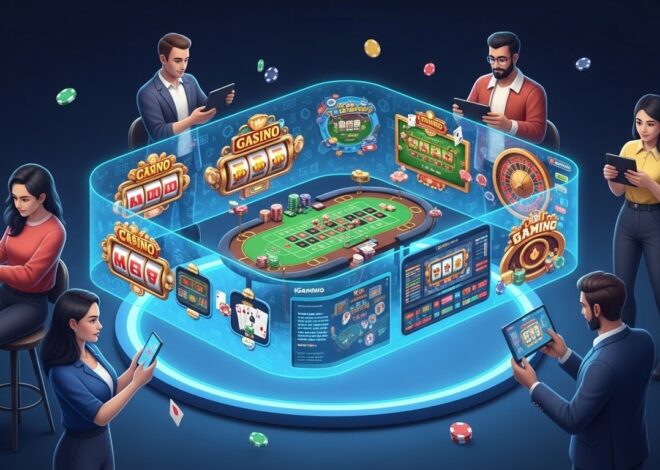
The Digital Arena of Chance: How iGaming Is Redefining Entertainment
Introduction to the Rise of iGaming
In the past decade, entertainment has rapidly evolved from traditional formats to immersive digital experiences. Among the industries reshaping how people engage with leisure, iGaming has emerged as a global frontrunner. Once limited to smoky casino halls and physical betting shops, gaming for real stakes has transitioned into an online environment accessible from nearly any device. The rise of iGaming is not just the result of technological advancements but also reflects shifting cultural attitudes toward digital interaction, remote entertainment, and personalized user experiences. Today, millions of players around the world log in daily to enjoy a wide array of games that range from virtual slot machines to skill-based competitions, creating a booming digital economy that shows no sign of slowing down.
Understanding the Core of iGaming
iGaming refers to any form of gambling or wagering that takes place via the internet. This includes online casinos, sports betting, poker rooms, bingo platforms, esports betting, and countless game hybrids that blur genre boundaries. What makes iGaming unique is its blend of entertainment, strategy, chance, and technological innovation. Unlike traditional gaming, iGaming operates in a real-time digital ecosystem, allowing players to place bets, compete with others, or enjoy casino-style gameplay anytime they choose. With its constantly expanding selection of titles and formats, the industry manages to appeal to both casual players seeking quick thrills and seasoned enthusiasts searching for strategic depth.
The Technological Force Behind the Evolution
Behind the glamour and excitement of online gaming lies a sophisticated technological infrastructure. High-speed internet connections, cloud-based servers, artificial intelligence, and advanced encryption protocols work together to deliver a seamless and secure experience. In recent years, mobile optimization has played a particularly crucial role in iGaming’s global expansion. More than half of players now access platforms through smartphones and tablets, allowing them to take their favorite games on the go. Meanwhile, virtual reality and augmented reality are beginning to add a new dimension to immersive gameplay, offering experiences that feel strikingly close to being inside a real casino or competitive arena. These technologies continue to push the boundaries of what digital entertainment can achieve.
The Diversity of Games in the Modern Landscape
One of the defining strengths of the iGaming industry is the sheer variety of games available. Online slot machines remain among the most popular choices due to their simple mechanics and visually engaging themes. Table games such as blackjack, roulette, and baccarat have also been reimagined for digital play, often accompanied by live dealers who stream in real time to replicate the atmosphere of a physical casino. Beyond traditional casino titles, online poker communities bring together players from around the world, offering everything from casual tournaments to high-stakes events where strategy and skill are essential. Sports betting and esports wagering add another dynamic layer, giving players the opportunity to engage with real-world matches and competitive gaming scenes. This diversity ensures that the industry caters to a wide spectrum of interests and playing styles.
The Role of Live Dealer Gaming
Live dealer games have transformed the iGaming experience by bridging the gap between virtual and physical environments. In these games, real dealers are filmed in professional studios and stream their actions to players’ screens. Participants can place bets, interact with the dealer, and even chat with other players. This hybrid model has become increasingly popular because it preserves the authenticity of in-person play while offering the convenience of online access. The social aspect also adds a unique appeal, particularly for players who enjoy the atmosphere and spontaneity that live interaction brings. As broadcasting technology continues to evolve, live dealer gaming is expected to become even more sophisticated and immersive.
The Importance of User Experience
With thousands of platforms competing for attention, user experience has become one of the most crucial elements of success in the iGaming industry. Intuitive interfaces, smooth navigation, quick loading times, and visually appealing design all contribute to keeping players engaged. Personalization has also become a cornerstone of modern platforms. Many services now use data analytics and AI to tailor recommendations, bonuses, and gameplay options to each individual. A well-designed user experience doesn’t just attract new players but also keeps existing ones coming back, fostering long-term loyalty in a highly competitive market.
Safety, Fairness, and Responsible Play
As iGaming continues to grow, so does the responsibility for ensuring that platforms operate safely and transparently. Robust security measures, including encryption and identity verification, protect players’ personal information and financial transactions. Additionally, reputable platforms incorporate technologies such as random number generators to ensure fairness in every game outcome. Many regions have established strict regulatory frameworks to oversee the industry, mandating responsible advertising, preventing underage access, and promoting healthy gaming habits. Features like deposit limits, self-exclusion options, and reality checks help players maintain control over their gaming experience. These measures play an essential role in creating a sustainable, trustworthy environment for both new and seasoned players.
The Economic Impact of the iGaming Industry
Beyond entertainment, iGaming has become a major economic driver in many parts of the world. The industry supports an extensive network of developers, designers, streaming professionals, marketers, cybersecurity experts, and regulatory bodies. Countries that embrace iGaming as a regulated business often experience significant boosts in tax revenue, employment, and technological investment. Furthermore, the global nature of the business means that platforms compete across borders, encouraging innovation and raising the overall standard of digital gaming services. As the market continues to expand, it is expected to contribute even more to global and regional economies.
Cultural Shifts and Social Interaction
One of the less obvious yet meaningful impacts of iGaming is its role in shaping modern social interaction. Online gaming communities foster connections among players from diverse backgrounds, enabling them to communicate, compete, and collaborate. Games that incorporate chat functions or multiplayer systems provide social elements that mirror traditional gaming environments. For individuals who lack access to physical venues or prefer digital engagement, iGaming offers an inclusive space where they can enjoy entertainment and socialization simultaneously. This shift toward digital connection reflects broader cultural trends in how people socialize, relax, and build communities.
The Influence of Esports and Competitive Betting
Esports has grown from a niche interest to a globally recognized competitive field, and iGaming has quickly adapted to the trend. Esports betting now attracts millions of viewers and participants who follow professional gaming leagues just as passionately as traditional sports. This has opened new opportunities for betting platforms, content creators, analysts, and event organizers. The merging of esports with iGaming demonstrates how versatile the industry is and how quickly it can evolve in response to changing entertainment landscapes. As competitive gaming continues to mature, esports betting is expected to become an even more prominent part of the iGaming world.
Mobile Gaming and the Future of Convenience
The shift toward mobile gaming has reshaped how players engage with iGaming content. The convenience of accessing games from anywhere has expanded the industry’s reach and attracted demographic groups that might not have engaged with traditional casinos. Developers now prioritize mobile-first design, ensuring that games run smoothly on smaller screens while maintaining high visual quality and responsive controls. With the rise of wearable technology and the growing integration of gaming features into everyday devices, the future may bring even more seamless access to iGaming content.
Innovations That Will Shape the Next Era
The future of iGaming promises even greater innovation. Virtual reality casinos may soon offer fully immersive environments where players can walk through virtual rooms, gesture naturally, and interact with digital objects as if they were real. Blockchain technology and digital tokens could introduce new forms of transparency, security, and decentralized gameplay. Artificial intelligence may enhance personalization to unprecedented levels, predicting player preferences and adapting game environments in real time. These advancements will not only elevate the player experience but also redefine what digital entertainment can be.
Conclusion
iGaming has progressed far beyond its early beginnings to become one of the most dynamic and influential sectors of digital entertainment. Its success stems from a unique blend of technology, creativity, innovation, and global connectivity. As it continues to evolve, the industry will likely introduce new forms of interactivity, deeper levels of immersion, and more responsible structures that safeguard players. Whether someone is a casual participant or a committed enthusiast, the world of iGaming offers a diverse and ever-expanding universe of experiences. In this digital era, the arena of chance is no longer confined to physical spaces. Instead, it thrives online, growing larger and more exciting with every technological leap.